

























































By Achiro P Olwoch
This text provides an overview of gospel music in Uganda.
Like every other country in the world, gospel music in Uganda has long given a voice to people living in troubled times. During the civil wars that plagued Uganda since the 1980s, there was a rise in people flocking to church and gospel music started being the music that was being played to calm people down. For a time, gospel music remained confined to churches on Sundays.
Rise to the mainstream
Over time, gospel music has evolved. After US gospel star Kirk Franklin’s 1997 song ‘Stomp’ was a hit in the streets and discos of the secular world, gospel artists have not been afraid to keep their music within the confines of a church. They also took a step and explored having their music out there. Today it is not unfamiliar to see people dance to a gospel song in a club.
In the past, it was very uncommon to hear gospel music played inside a ‘kamunye’(passenger taxi vans), except on Sunday when it was deemed acceptable. Now, drivers are not embarrassed to play their favourite gospel artists in their kamunyes, no matter the load of passengers or the day of the week. This is proof that gospel music in Uganda has grown in leaps and bounds. And it is not the typical kadongo kamu music long associated with Ugandan pop.
Ugandan gospel songs range from African rhythms, choirs and classical. It has over the years been modified as a result of the latest instruments. Now even a church choir will sing a song in the local language accompanied with modern instruments, as compared to the past when they would sing an acapela or to the beat of traditional instruments especially a drum. Even the tone was being done with the touch of a keyboard, as compared to a leader with the tune starting at the beginning to get her whole choir in check. One will always find themselves bobbing to a tune without even realizing that it is a gospel song because of the beats. Even non-Christians will listen in to a gospel song and sing along because it has a catchy tune, not necessarily because they agree with the message.
Key artists
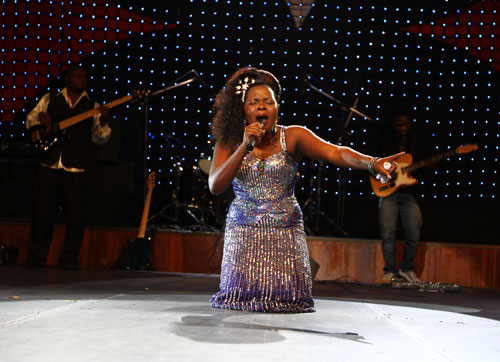
Gospel music first started making headlines with the likes of Fiona Wamala Mukasa, who used to be a church choir leader and wrote and performed her own songs. Songs like ‘Aleluya’ (2011) from the album Saba ne Fiona (meaning pray and worship with Fiona) was a comeback for the musician who had been out of action for many years. Other popular songs by Fiona Mukasa include ‘Busule’ (2012) and ‘Tabongola’ (2011).
Secular musicians who started off young like Fiona often find it hard to come back and be a hit with the new generation. But with her gospel music, Fiona stuck to her original style and managed to win the hearts of the listening audience regardless the age. Being a daughter of legend musician Elly Wamala may have played a part, seeing as music is in her blood.
Other popular gospel artists include Wilson Bugembe, who also doubles up as a pastor at Light the World Ministries in Kampala. He is referred to as Pastor Wilson by many of his fans. Most of his songs are actually telling a story and giving a message. His videos are even more dramatic than the songs that he sings. He started singing professionally when he was just 19 years old. His breakthrough song was ‘Njagala Kumanya’, which received airplay on the top TV and radio stations in Uganda. This was what propelled him to stardom. Otherpopular songs by Pastor Wilson include ‘Sibiwulira’ (2014), ‘Mukamangamulungi’ (2013),‘KomawoEka’ (2012), ‘Kani’ (2013) and ‘BamuyitaYesu’ (2012). He has worked with popular musicians in Uganda like Silver Kyagulanyi and Isaiah Katumwa and released albums like Kani (2010) and Ani (2010). He won the Best Gospel Artist award at the Pearl of Africa music awards three years in a row in 2007, 2008 and 2009.
Judith Babirye is another popular gospel musician in Uganda, who also happens to be a senior pastor at New Life Deliverance church in Kampala. While in high school, she composed the school national anthem. This started off her music career. Her debut song ‘Yesu Beeranange’ (2006) won Best Gospel at the 2006 Pearl of Africa Music Awards. Other popular songs by Judith Babirye include‘Yesu Asobola’ (2007), ‘Nzijukira’ (2008) and ‘Wanjagala’ (2011).
The younger generation gravitates towards Exodus. He was born George Timothy Lubega and his stage name ‘Exodus’ is derived from his life story. He used to sell ganja on the street till he got born again and started a new life. His first hit song ‘Ganja Man’ (2004) was in tribute to his story. His genre of music includes Afro-beat, hip-hop and RnB. ‘Igwe’ (2013) is another hit song that saw him top the radio and TV charts for months on end in Uganda. In 2009 he was nominated for the MTV Africa Gospel Awards and he has won four Buzz Teen awards in Uganda. He has also won a Grove Award in 2008 and numerous others.
Ugandan Omega Bugembe Okello is based in the US but makes regular trips down to Uganda, often with a new hit album to share with her compatriots. She started young as an orphan singing in the renowned African Children’s choir and has never lost her singing voice since then. Her influences range from classical Afro-beats to RnB and she has managed to make quite a name for herself both in the US as well as back home in Uganda. Some of Omega’s songs include ‘Kiwomeeraememe’ (2008),‘Lord I worship you’ (2011) and ‘Tugilabilile’ (2008).[i]
Commercial success
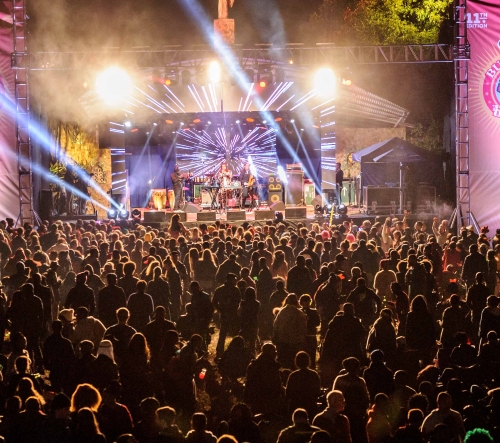
Gospel musicians have been scrutinized by secular artists and are sometimes accused of chasing after the money, instead of really preaching through their music. This criticism is a result of the huge sales in the Ugandan gospel music scene. They have a huge audience and their concerts are sold out most of the time.
Gospel music does not stop at inspirational lyrics; it also extends to instruments. Isaiah Katumwa is one gospel musician who has led with his saxophone. His concerts are always packed, with tickets often sold out months in advance. The same is true about all the other gospel musicians in the country. This may be what fuels the talk about the wealth that they are getting out of their music. Still, just like any other musician, they work hard to stay at the top and to make their music relevant, as Judith Babirye proved with her latest album in 2015.
As a result of the growing success of gospel music in Uganda, even secular musicians are dipping their fingers into the gospel world, releasing gospel songs that occasionally even end up trouncing the gospel musicians in popularity. There has been a debate in some of the Pentecostal churches whether it is right to play and dance to music that may be gospel but is actually the work of a secular musician.
Whether or not they are taken seriously, gospel music continues to make a rise on the music charts in Uganda, both on the secular and Christian radio and TV channels, which trumps their secular counterparts who can only score hits on secular channels. Can it therefore be said then that gospel music is more popular? Maybe!


Most popular

Call For Applications : ACCES seeks a UK-based performer
10 Sep 2026

Top amapiano songs of 2026
16 Feb 2026

Top Afrobeats songs of 2026
19 Mar 2026

Open call: Goethe-Institut grants for Southern African creatives
08 Sep 2026
AFRIMA 2026: All the winners
12 Jan 2026
Open call: Ernst von Siemens Music Foundation 2026 funding programmes
04 Sep 2026

Open call: FAME Week Africa, Pressure Cooker Studios songwriting camp
09 Sep 2026
Disclaimer: Music In Africa provides a platform for musicians and contributors to embed music and videos solely for promotional purposes. If any track or video embedded on this platform violates any copyrights please inform us immediately and we will take it down. Please read our Terms of Use for more.

Subscribe to our monthly Newsletter
Follow us on social media


Please log in to post a comment.