















































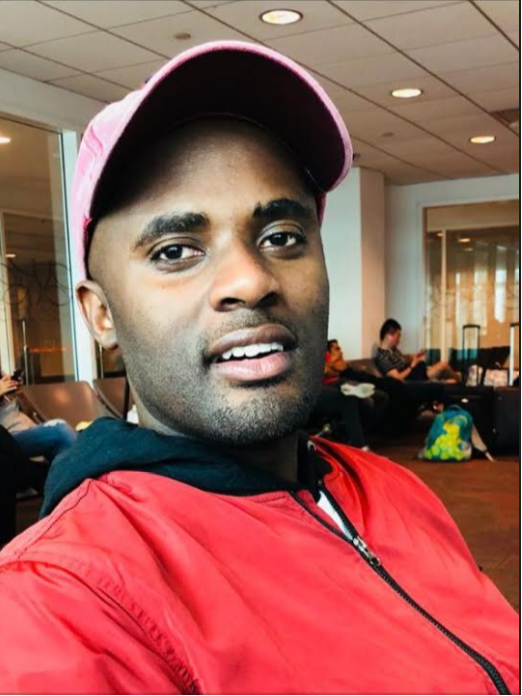
Sakhele Mzalazala talks about CD Baby’s Africa strategy
16 Apr 2021 - 10:59


Last year, the COVID-19 pandemic and its effects on the live music sector elevated the importance of the digital music landscape, with distribution services like TuneCore, Ditto Music, DistroKid and CD Baby playing a big role in getting independents’ music out for mass consumption.
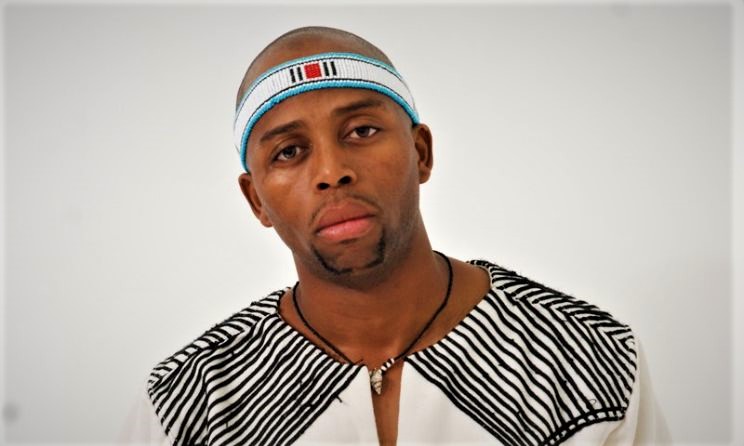
The thriving African music sector, propped up by a worldwide interest in Afrobeats, has seen the aforementioned services making strategic moves on the continent, with independent digital distributor and A&R hub CD Baby being the latest major platform to bolster its involvement in the region. In the ever-evolving digital music ecosystem, companies like CD Baby have played a central role in helping independents to carve out more successful careers.
The global recorded music industry withstood the COVID-19 storm with a recently reported 7.4% spike in revenues where music streaming accounted for 62% of the total, which offset a decline in other formats like physical sales. In 2020, independent labels and artists gained a bigger market share than the major labels in terms of streams on major digital service providers like Spotify, Apple Music and YouTube Music. The pandemic year also saw emerging and independent musicians release more music than their signed counterparts, with Spotify saying that about 60 000 tracks get uploaded to the service every day.
CD Baby, the largest distributor and rights administrator of independent music globally, was at the helm of this activity with more than 1 million artists and 9 million songs. Last year, the platform’s payouts continued to rise with more than $126m in digital music revenue paid to its artists – a 26% jump from the previous year, the majority of which was collected from Spotify (40%) and Apple Music (18.5%). Globally, the statistics are unsurprising. In Africa, however, the music streaming space has been slow on the uptake.
South Africa and Algeria contributed about 85% of total music streaming revenues on the continent. Digital growth in other countries and regions is still largely stifled by myriad of issues such as data costs, licensing and structural hurdles, but CD Baby plans to change this with its recent continent-specific strategy. In February, the company hired music business manager and independent music advocate Sakhele Mzalazala as its first representative in Africa and as part of its expansion plan to develop an international artist services team in the region.
Music In Africa reached out to Mzalazala to discuss the platform’s plans and its value for artists in Africa, and to provide some tips for indie musicians.
MUSIC IN AFRICA: Apart from CD Baby’s pricing and physical distribution service, what differentiates your core business model from that of your competitors?
SAKHELE MZALAZALA: CD Baby’s main focus is on emerging, independent artists and/or labels who can also make money from their music. The platform should be viewed like a school or internship where you learn independence through owning your rights while simultaneously generating an income. CD Baby also provides various solutions to many musicians’ challenges. For example, for artists who struggle to get their songs mastered, CD Baby offers them a tool to solve that. Upcoming artists rarely have websites, but CD Baby assists them with a tool to develop their own platforms, as well as with marketing services to promote their music, among other things.
How will CD Baby add value to the African music sector and what does the company aim to achieve on the continent?
African emerging and independent artists have been ignored a lot in our industry, they have never been taken seriously, and we all know the challenges that our government is facing where it does not have solutions to assist all our musicians. Artists are born every day and they all face the same challenges of not being able to release their music and make money, not knowing their rights, how to protect their work, and so on. CD Baby plans to solve those issues by working in collaboration with local structures such as the Nelson Mandela Bay arts and culture department and a number of other stakeholders. This will transform our sector and will see our musicians becoming self-employed. What we want to achieve as CD Baby is to see independent artists becoming successful and economically self-sufficient through their music. We’re also striving to become the most reliable platform in Africa.
TuneCore, which recently expanded its services in Africa, has launched educational initiatives that seek to educate musicians about their craft, contracts, copyright and so forth. What is the scope of CD Baby’s plans and services in Africa on that front?
CD Baby’s mission is to provide artists with the tools to spread their music everywhere and has also started implementing educational campaigns, which include partnering with radio stations, especially those that tackle artists’ issues. We recently had some networking sessions as part of the Botswana International Music Conference for three days, and we’re moving to other countries with caution due to COVID-19 regulations. We’ve got a few dates with local partners confirmed for South Africa in the Eastern Cape, Western Cape and Northern Cape.
There are a several other digital distributors available to musicians in Africa. Why should African artists join CD Baby?
CD Baby is a home for artists. It’s not just a distributor, we have different teams around the world whose job is to discover upcoming, independent artists’ problems and bring DIY solutions to their doorstep. CD Baby should not be seen as just a distributor, we are more than that.
What are the different ways that artists can monetise on your platform?
With us, artists can opt for synch and licensing where their content can be pitched to filmmakers, advert producers and gaming developers, among others. They can also generate money on social media platforms such as Facebook, Instagram, YouTube, TikTok, as well as other platforms like Spotify, Deezer and Apple Music.
How do musicians in Africa compare to their US counterparts in terms of capitalising on digital platforms such as CD Baby?
Monetising on platforms starts outside of Africa before they get to us. However, there isn’t much of a difference because we’re using the same services. Our local artists may experience some challenges in doing it for themselves due to technology. However, CD Baby has video tutorials and DIY guides, which are helping African users.
Based on your experience, what are some of the common mistakes or misconceptions that musicians have when releasing their music on digital platforms?
I can name a few: Not understanding the importance of metadata and sharing incorrect information, uploading their songs as MP3s instead of WAV audio, and not indicating another popular artist whom they may sound like. In terms of release plans, not having a strategy for each release, not communicating with their followers – in general and with regard to their releases. Also, not claiming their accounts on Spotify and YouTube. All of the above are critical for artists.
What are some of the common obstacles independent musicians experience when distributing their music and how can they avoid them?
One common barrier is not preparing the world for your release. To have music distributed is easy. However, there is more to do and CD Baby helps the musician to accomplish their next steps through artist account verification access, marketing tools, DIY blogs, a comprehensive help centre, a YouTube channel with video tips, and more.
There’s an ongoing discussion about a post-COVID-19 era where the music industry will return to normalcy. What are your thoughts on the future of musicians’ livelihoods and do you think they will be able to reconfigure their careers to return to ‘normal’?
Personally, I think that most artists have learnt from this pandemic and they will now work more wisely than before. Music has always been a career that needs to be taken very seriously and treated like a business. If there are artists who were not aware of this, now they are. The comeback will be different – they all learnt from all their mistakes and they took time to think about what the future holds. We are still to see new developments in terms of ownership of their works and investments.
Do you think African musicians should shift their focus away from physical to digital in the post-COVID-19 era?
I think physical distribution needs to be limited and done via courier from orders due to the fact that the record bars are also closed down. The market for those who still use CDs and DVDs is still there, especially in small towns and rural areas.
Do you think musicians should adopt different strategies to market and promote their music in the future and how should this be done? Can you give us some practical examples?
The best thing would be for our musicians to strategically communicate with their fans or followers, and use tools that make it easy for them to communicate. For example, our clients use HearNow, where your promo page is automatically populated from your album's info on CD Baby, making it super easy to share. Additionally, Show.co allows users to create pre-save campaigns and turn casual fans into email subscribers, Spotify followers, YouTube viewers and more. We have all the tools to assist musicians and they are all welcome to join us.
With traditional income streams like live events and concerts on the back burner, many artists are depending on royalties from their music to support themselves. Do you think copyright policies and laws in South Africa should be revised to reflect the modern music landscape? If so, how?
There are still many issues we are facing as the industry when you mention laws and copyright. As you know, we still have the pending ‘copyleft’ issue sitting in Parliament. Our industry is not regulated. Maybe the focus should be on our media where we can be in talks of increasing the quota of local content on TV and radio so that these platforms can add up on digital royalties to provide more earnings to artists.
User-centric payment models have been a big topic of debate in the industry for some time. What are your thoughts on that particular payment structure and do you think that current music streaming payment models offer fair remuneration to artists?
I don’t think the current model currently offers fair revenue, especially when there are aggregators who will still take more from the collections. I think more engagements with stakeholders and users will one day give us a fair rate.
What will be the most important and sustainable revenue streams be for musicians in the future?
We are in the Fourth Industrial Revolution and the digital world has taken over. Downloads and streaming are the future, this is where our artists will be making most of their money. Live-streaming concerts are still growing slowly and are expensive to host, but I believe that in a few years they will also find their space and hopefully also generate more revenue for our artists.


Most popular

Top amapiano songs of 2026
16 Feb 2026

Top Afrobeats songs of 2026
19 Mar 2026
Open call: Goethe-Institut grants for Southern African creatives
08 Sep 2026

AFRIMA 2026: All the winners
12 Jan 2026

Top Naija songs of 2026
31 Mar 2026
Sun-El Musician confirmed for ACCES 2026 in Joburg
15 Sep 2026
Open Call: Voices For Roxette invites artists worldwide to submit cover versions
15 Sep 2026
Disclaimer: Music In Africa provides a platform for musicians and contributors to embed music and videos solely for promotional purposes. If any track or video embedded on this platform violates any copyrights please inform us immediately and we will take it down. Please read our Terms of Use for more.

Subscribe to our monthly Newsletter
Follow us on social media


Please log in to post a comment.