






















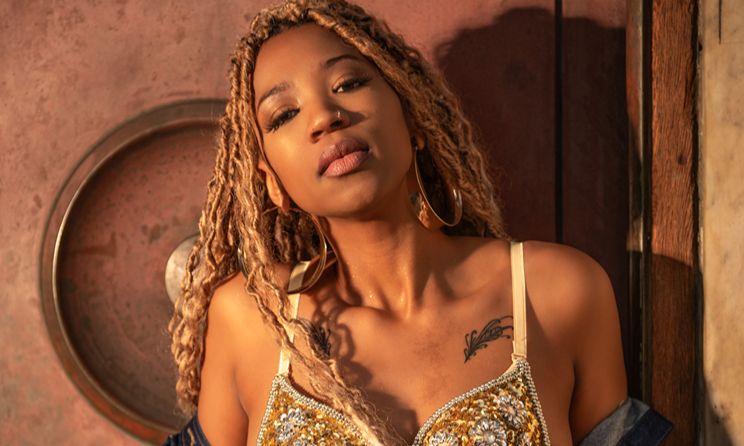





































Ghanaian singer and songwriter Gyakie has steadily built a name for herself as one of West Africa’s most distinctive voices, blending elements of highlife, R&B and Afrobeats into a style she calls “Afro-fusion.” Since her debut in 2019, she has released a string of successful singles and two extended plays – Seed (2020) and My Diary (2022) – that introduced her smooth tone, heartfelt storytelling and cross-genre appeal to audiences across Africa and beyond. Her collaborations with artists such as Omah Lay, Davido and R2Bees have further cemented her status as a versatile and in-demand performer.
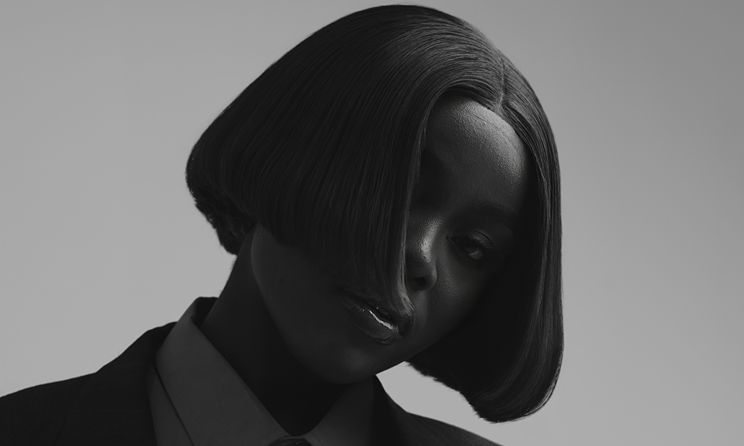
Now, Gyakie is preparing to release her first full-length album, After Midnight, on which she takes a deeply personal and introspective approach. The project, three years in the making, captures a range of moods – from soulful calm to energetic celebration – and reflects her artistic growth since she first broke onto the scene. The album’s title nods to the late-night hours when much of her creative work takes place, inspired by the quiet, reflective moments she cherishes as well as the vibrant nightlife that has shaped many of her performances.
After Midnight draws on her Ghanaian heritage, including the influence of her father, a highlife musician whose rehearsals and studio sessions left a lasting mark on her. It also incorporates collaborations with producers and artists who understand her sound and have helped her push it in new directions. The result is an album that she hopes will offer listeners healing, joy, love and peace of mind.
In the following interview with Music In Africa’s Ano Shumba, Gyakie discusses the inspiration behind After Midnight, the challenges of making her debut album, and the creative decisions that shaped its tone and storytelling. She also looks ahead to her upcoming performances, including her annual Live Experience with Gyakie concert, and hints at more collaborations and new music on the horizon.
MUSIC IN AFRICA: Congratulations on your upcoming debut album, After Midnight. What does this milestone mean to you personally and artistically?
GYAKIE: Thank you, I appreciate it. Honestly, I would say that artistically, one of my many dreams has come true – this album is my first baby. Personally, it has been part of my growth; it shaped me, I had to learn so much and experience a lot. It was really more than just being in the studio and creating.
The album title is intriguing. What’s the significance of After Midnight and how does it reflect the themes within the project?
The album title sums up my creative process and my life. Many of the amazing records I have created before, during, and after this album came to life after midnight. The loudness of the silence during those hours brings me so much peace. I grew up in a home where my mother would pray for my siblings and me while we were deeply asleep, and it was consistently done at dawn. Now, nightlife – the real life of the party – is when most of the stages I’ve been on, or the parties that really get people going, usually happen. I really cherish dawn, and I cherish the hours after midnight.
Could you walk us through the creative process behind the album, from songwriting to production?
Everything was deliberate and carefully worked on. There are songs we created while camped in my home studio to write, record, and brainstorm, and others that were created outside Ghana. In terms of songwriting, I wrote 90% of the tracks on this album. Most of the time, I had to listen to the production repeatedly until the theme came to me, then I would start freestyling before writing the lyrics – which is usually my studio routine. Some songs took days to complete, others weeks, and some only minutes – the same goes for production.
An interesting fact about this album is that, at one point, everything was completely done, but I went back to the drawing board to retouch all 17 songs because I felt there were tiny missing pieces we had to find. Almost all the creatives involved are people who understand my sound and my way of creating, and who I had worked with in one way or another before.
Who are some of the key collaborators or producers on this project, and how did those partnerships shape the sound of the album?
Every collaboration on this project has a backstory, showing how important each person was. I am so happy with how everyone brought exactly what was needed for this project. Collaborating with these amazing creatives fills me with appreciation, and I’m thankful for how they met me halfway so we could bring this piece to life.
Ghana has a rich and diverse music culture. How has your Ghanaian identity influenced the sound and storytelling on After Midnight?
As someone who spent her childhood in Ghana, I carry a lot of its influence in everything I do, including my music and this album. My dad is a highlife musician, and he used to play highlife music at home almost every day. I also witnessed some of his rehearsals with his band and studio sessions, and this consistency made me fall in love with highlife. The peace, calm, and quiet in Ghana – especially in Kumasi, where I lived – also influenced my interest in soulful, calm songs. On this project, during the hours I created some of these songs, the silence outside and the ambience in the studio became inspiration for some of the more soulful tracks on After Midnight.
Were there any particular challenges or surprises you faced while working on your first full-length album?
My mind wasn’t reminding me to eat – which is unusual for someone like me who loves food. I wasn’t resting enough, as the studio became my home. I wasn’t in touch with family and friends as much because my mind was so focused on the album. Another challenge was the emotional rollercoaster – it wasn’t always rosy. There were times I fell out with people during the process, had misunderstandings, and made sacrifices. It has been three years of hard work. An album involves a lot of decision-making, and a decision needs to be made almost every step of the way. I’m naturally indecisive, so that was another challenge.
Your sound blends various genres. How would you describe your musical style, and what can listeners expect from the album in terms of tone and mood?
I would describe my musical style as Afro-fusion. In terms of tone and mood, listeners should expect the Gyakie tone and mood – a blend of softness and wildness.
Do you have a favourite track on the album, and if so, what makes it special to you?
My favourite track on the album has to be ‘Is It Worth It?’ The week that song was created, some people I knew had lost loved ones. Before we started creating the track in the studio, Sosa – the producer – and I were in a deep conversation about life and its many unanswered questions. At the same time, I was dealing with a lot of responsibilities and had so much on my plate. All those emotions were in the air. The ambience in the studio that day was filled with sadness and curiosity, and that feeling strongly influenced the record.
What message or feeling do you hope listeners take away after experiencing After Midnight?
I want every listener to finish this project and take away at least one of these: healing, enjoyment, love, or peace of mind.
Looking beyond the album release, what’s next for you in terms of performances, collaborations, or future projects?
My annual concert, Live Experience with Gyakie, is happening this year. I’m also planning a tour. We’ll still be in the studio making more music, so collaborations after the album are a yes – basically, there’s more Gyakie this year and beyond.


Most popular

Top Naija songs of 2026
31 Mar 2026

Top Afrobeats songs of 2026
19 Mar 2026

Top amapiano songs of 2026
16 Feb 2026
Open call: CANEX Music Business Lab and Songwriting Camp
15 Oct 2026
Open call: National Arts Festival artistic director in SA
15 Oct 2026
Ghana: Mr Eazi and MOLIY’s ‘Comfort’ earns Urban Music Awards nomination
21 Oct 2026
Disclaimer: Music In Africa provides a platform for musicians and contributors to embed music and videos solely for promotional purposes. If any track or video embedded on this platform violates any copyrights please inform us immediately and we will take it down. Please read our Terms of Use for more.

Subscribe to our monthly Newsletter
Follow us on social media


Please log in to post a comment.