
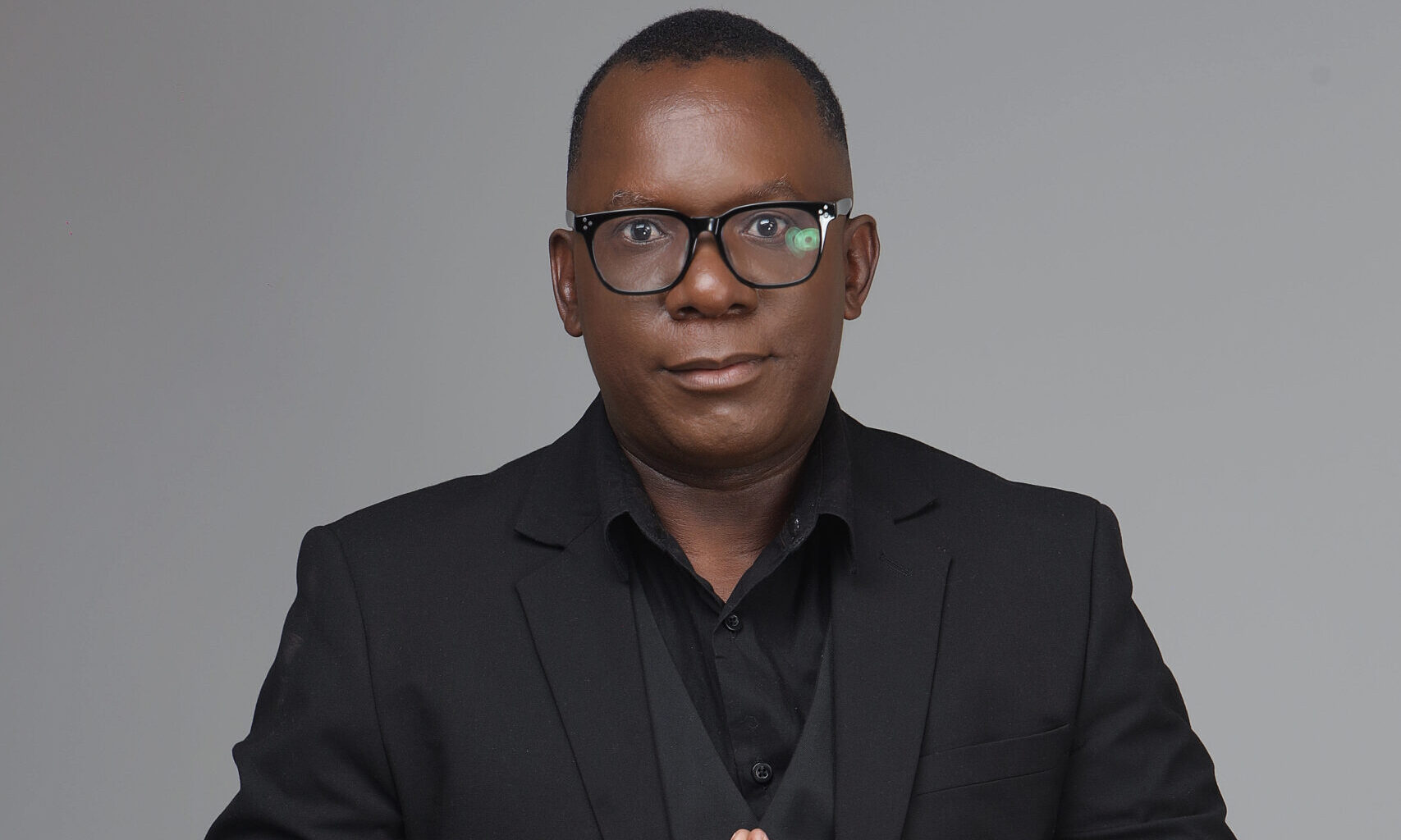

















































Gadi Oron of the International Confederation of Societies of Authors and Composers (CISAC) has written about the new EU copyright rules, which were adopted last week.

The body has more than 200 divisions in 122 countries and represents millions of creators drawn from the fields of music, literature, visual arts and drama.
It had weighed in with comments during the long process of the new rules’ adoption, and following the final vote, the body’s president, Jean-Michel Jarre, issued a statement expressing gratitude. “I want to say a huge thank you to the European Parliament for listening and understanding creators’ concerns," he said. "This is a really important decision that has enormous implications worldwide. It recognises that a 21st-century Internet needs a 21st-century level of protection for creators.”
Now, Oron, the body’s director-general, has written a piece online, reflecting on the new rules and how it realigns the relationship between creators and big tech companies.
“The Internet has transformed since international copyright rules were last laid down for the digital world two decades ago,” he writes. “YouTube, Facebook and today’s other global tech giants, did not even exist. Updated laws have been overdue, helping to restore the imbalance that has developed between the power of those tech giants on hand, and the rights of creators on the other.”
In a couple of paragraphs focusing on royalties and YouTube’s debt to creators, Oron explains why before the passing of the new rules, YouTube had been able to treat creators the way it had.
“CISAC’s societies around the world collect royalties for creators worth nearly €10bn [$11.2bn] annually – but royalties from YouTube are a minuscule percentage of that. The data from the wider music industry shows the same gross anomaly.
“The reason for the mismatch has been creators’ weak negotiating position in licensing their works. YouTube has been able to claim exemption from copyright laws by claiming it is not responsible for the content uploaded on its network, and that it is protected by ‘safe harbour’ rules.
“The new directive clears this up: YouTube and other user-uploaded content platforms are responsible, they must be licensed, and they can no longer hide behind outdated rules. This is a hugely welcome clarification.”
The EU’s decision has already received an endorsement on the continent. Days after the adoption, the Coalition for Effective Copyright in South Africa wrote in a statement that “the directive goes a long way to stopping large tech platforms from monetising content created by musicians, filmmakers, artists, writers and academics, while ignoring copyright, or paying the creators of that content a pittance.”
To read Gadi Oron’s full text, click here.


Most popular
Open call: 2026 Gender@Work music industry training in Johannesburg
09 Oct 2026

Top amapiano songs of 2026
16 Feb 2026
Call for applications: ACCES 2026 Emerging Artist Spotlight Competition
01 Oct 2026

Top Naija songs of 2026
31 Mar 2026

Top Afrobeats songs of 2026
19 Mar 2026
AFRIMA 2026: All the winners
12 Jan 2026
Disclaimer: Music In Africa provides a platform for musicians and contributors to embed music and videos solely for promotional purposes. If any track or video embedded on this platform violates any copyrights please inform us immediately and we will take it down. Please read our Terms of Use for more.

Subscribe to our monthly Newsletter
Follow us on social media


Please log in to post a comment.