












































Gyakie: I want fans to come into my personal space with new EP

13 Sep 2022 - 07:51


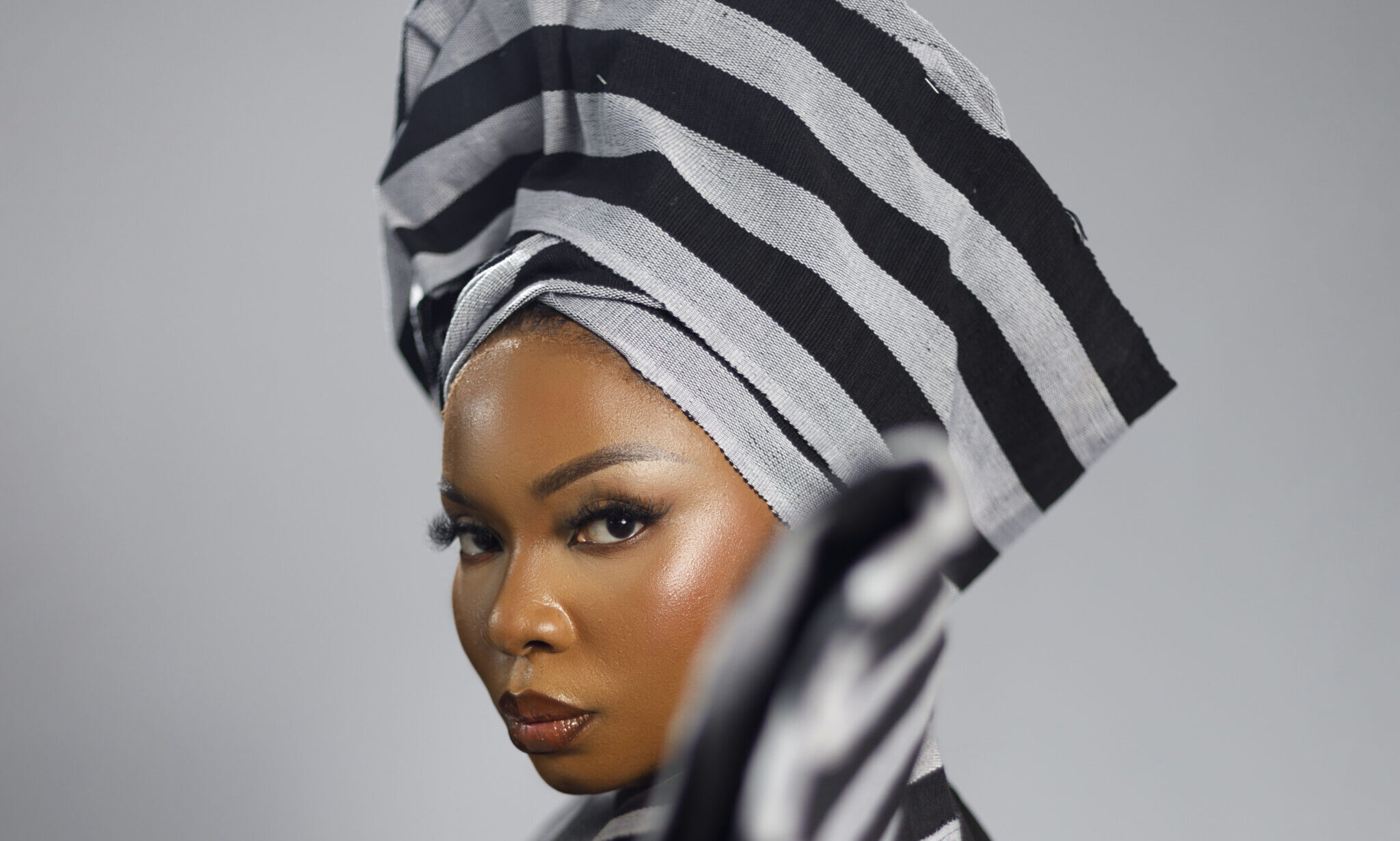
At 22, Ghanaian singer Gyakie has already established herself as one of Africa’s biggest acts – her music transcending both genre-specific and geographical borders. She is brimming with success, having made appearances as a headliner at big international concerts and festivals, including Ghana Party in the Park (London, UK) Afro Matic Generation Live Concert (Oberhausen, Germany) and It’s About Time (New York, US).
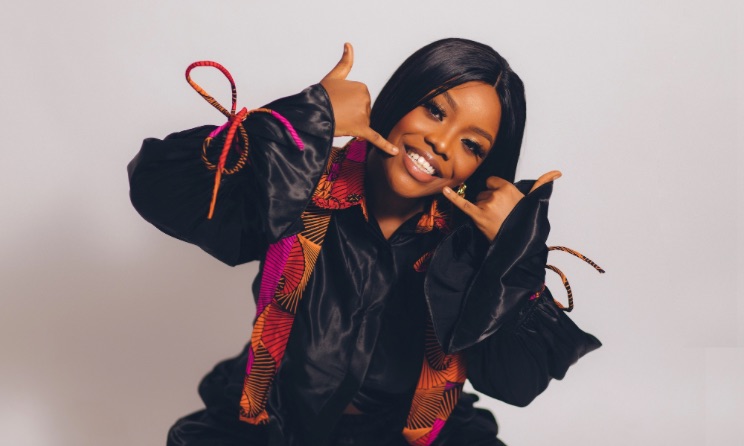
She is the daughter of Ghanaian highlife legend and Lumba Brothers member Nana Acheampong. Perhaps it’s this musical lineage that has helped her meteoric rise, apart form the hard work she’s invested to make a name for herself. In July, the Sony Music West Africa signee released her sophomore EP My Diary, which was accompanied by the well-received ‘Something’. The EP also boasts ‘Flames’, which features Nigerian Afrobeats star Davido. In general, her latest collection displays an ability to blend multiple genres – from the jazzy opener ‘Audience’ to the Afrobeat-rooted ‘My Baby’. One could assume that Gyakie gives herself all the credit, but she never fails to acknowledge the efforts that her team have made in her journey to stardom.
I had the opportunity to talk with Gyakie about her music and career during her My Diary media tour in Johannesburg, South Africa. Below is our conversation:
MUSIC IN AFRICA: What brings you to South Africa?
GYAKIE: I’ve been longing to come to South Africa for so long, because my song ‘Forever’ was doing so well here. This is my first time in South Africa and I couldn’t travel because we were going through a serious pandemic and lockdowns. But my mission from this trip is to promote my songs and the My Diary EP. I’m also working with some artists and going to have a party in between.
What inspires your unique sound, the Afro-fusion style?
I do Afro-fusion, which is every genre of music that still falls under the Afro sound. I don't want to limit myself to one particular genre. So I do reggae, hip hop and house music. I even have an amapiano song with Major League DJz called ‘Focus on the Beat’ which is on their album Outside.
Tell me more about your new EP and how you got to work with Davido.
This six-track project is called My Diary because I wanted fans to come into my personal space. It involves me discussing things that I have written in my personal diary, things I don’t see out there on a daily basis. So if you listen to this project, especially the last song [‘Waka Waka’], you hear things that I say to myself. ‘Flames’, the track featuring Davido, came about when my team and I played some of my unreleased songs for him. He loved that particular song so much that he told me he wanted to feature on it.
What has been the secret to your success?
First of all, I would like to give thanks to God for the talent and strength to be doing this. The second thing is that my music is versatile and different. So, I feel like I was able to attract many ears very quickly. Also my hardworking manager Emmanuel Sedo with whom I started working at the beginning of my music career. We’ve had sleepless nights promoting and marketing my work. It’s part of why I’ve been able to reach this point in my career.
What’s the pressure like of having to constantly perform in different countries around the world?
It can be nice and the advantage is that you get to see your fans all around the world in a very short time. But sometimes it’s tiring – you’re constantly moving and your body has little time to rest.
And what about the pressure of being a 22-year-old artist?
It’s not easy. I feel like the music industry has made me more mature than I’m supposed to be, because I have gone through so many things that I wouldn’t normally face, in terms of people wanting to know what’s going on in your life or criticising you. So it hasn’t been easy, but I’m learning how to navigate the space.
How has it been working with Sony Music West Africa?
It’s so exciting. I’m very proud and excited that I was able to be a part of this big family. They’ve been a huge support system for my music ever since I got signed. I’ve been able to step into bigger places, bigger grounds that maybe it would have taken me a longer period to reach, and so I’m very happy. I joined the family in 2020 and ever since then it has just been amazing.
You have released two EPs so far. When do you expect to release a full-length album?
There will be an album in the future. We started recording some songs that are going to be on the project.
Why is it important to release an EP before a full-length album?
An EP feels like an introduction, making the listener understand what you’re capable of breaking on the album. The EP is like a little preparation for a bigger collection, because an album is a big deal.
There have been many American artists collaborating with African musicians. What does that say about African music?
I’m very excited about where African music is going and it’s a proud moment. This is what we’ve always been looking forward to – for the sound to reach the international markets, for bigger audiences to hear the authentic sound that we have here. I’m just hoping this is going to stay this way for a very long time. African artists are also working well and hard. They’re travelling around to promote the songs and collaborate with international artists so that we can get that connection, and so the future is looking great for African artists.
If you were picked to be the next minister of arts in your country, what would you change?
If I was chosen to become the minister of arts in my country, one thing that I would change is the revenue that comes to artists. I feel like artists don’t get appreciated enough in terms of revenue. Aside from that, I would draw people’s attention to listening to other genres of music, because there are some artists in Ghana and elsewhere in the world who don’t do just one type of genre. When people focus their attention on one genre, they don’t want to listen to anything else. So if you are an artist and you do, say, house music, you don’t get the motivation to record other genres because you feel like, ‘Oh when it comes out, fans are not going to patronise it.’


Most popular
Call For Applications : ACCES seeks a UK-based performer
10 Sep 2026

Top amapiano songs of 2026
16 Feb 2026

Top Afrobeats songs of 2026
19 Mar 2026

Open call: Ernst von Siemens Music Foundation 2026 funding programmes
04 Sep 2026
Open call: FAME Week Africa, Pressure Cooker Studios songwriting camp
09 Sep 2026
Open call: Goethe-Institut grants for Southern African creatives
08 Sep 2026
Open call: SAMRO Music Creation Support Fund
02 Sep 2026
Disclaimer: Music In Africa provides a platform for musicians and contributors to embed music and videos solely for promotional purposes. If any track or video embedded on this platform violates any copyrights please inform us immediately and we will take it down. Please read our Terms of Use for more.

Subscribe to our monthly Newsletter
Follow us on social media


Please log in to post a comment.