






















































Highlife’s Enduring Role in West African Cultural Identity

21 Jan 2026 - 12:20


According to Dr. Osman Damba Tahidu, Secretary-General of the Ghana Commission for UNESCO, Highlife genre is still alive, active and very much still woven into Ghanaian cultural identity.
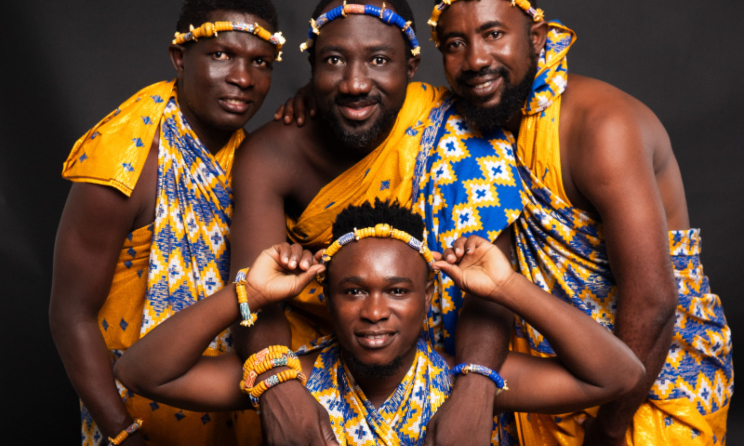
Speaking to africa news about the relevancy of the 80 decade-old genre, Dr. Damba said, “it’s a reflection of the life of Ghanaians and it’s a reflection of our cultural identity. It’s a reflection of how we transmit our message in terms of sadness, in terms of happiness, in terms of peace, in terms of luxury.” He believes that Highlife is not merely a musical relic, but a living product. That it thrived this long through generations because of the continuous innovation that drives its process.
For people like Ghanaian band leader, Asah Nkansah, Highlife’s storytelling element is what truly makes it a genre that transcends entertainment. Commenting on the depth of the genre, Nkansah explained, “Highlife music naturally has content. We have social content, cultural content, sometimes religious content. Highlife is not music for music’s sake.” It is a cultural force that is ever present at life’s milestones; from mourning and celebration to community gatherings.
At an UNESCO event last month the genre was inscribed on UNESCO's Intangible Cultural Heritage list, cementing it’s relevancy in modern times.
As a major West African cultural tradition, the genre’s versatility attracts artists from diverse musical styles and its modern influence goes beyond borders. Uk artists J Hus and Stormzy have integrated Highlife-influenced melodies and rhythms into their music while Nigerian musicians Burna Boy and Wizkid have incorporated highlife elements into their Afrobeat sound.
Nigerian-American artist, Ogi, has credited the Afrobeat’s predecessor for influencing and contributing to her genre bending sound. Speaking with Schön!, the singer-songwriter said, “There is a lot of soul, a lot of Highlife, hip hop and R&B.” She also describes her music as having a “very laid-back groove that comes more from Highlife.”
Highlife is a popular West African music style that began in Ghana in the late 1800s and later spread to Nigeria. It developed during colonial times when local musicians combined traditional Ghanaian rhythms with European brass band music, ballroom dances, and later jazz. The genre’s name was born because of the fancy cities and social events that the music used to be played at and in the 1930s and 1940s, Highlife took on new influences from American jazz and swing, especially during World War II.
E.T. Mensah, often called the “King of Highlife,” helped make the music more popular and accessible and Highlife gained prominence in the 1950s and 1960s after Ghana gained independence, symbolising national pride that spread to Nigeria.
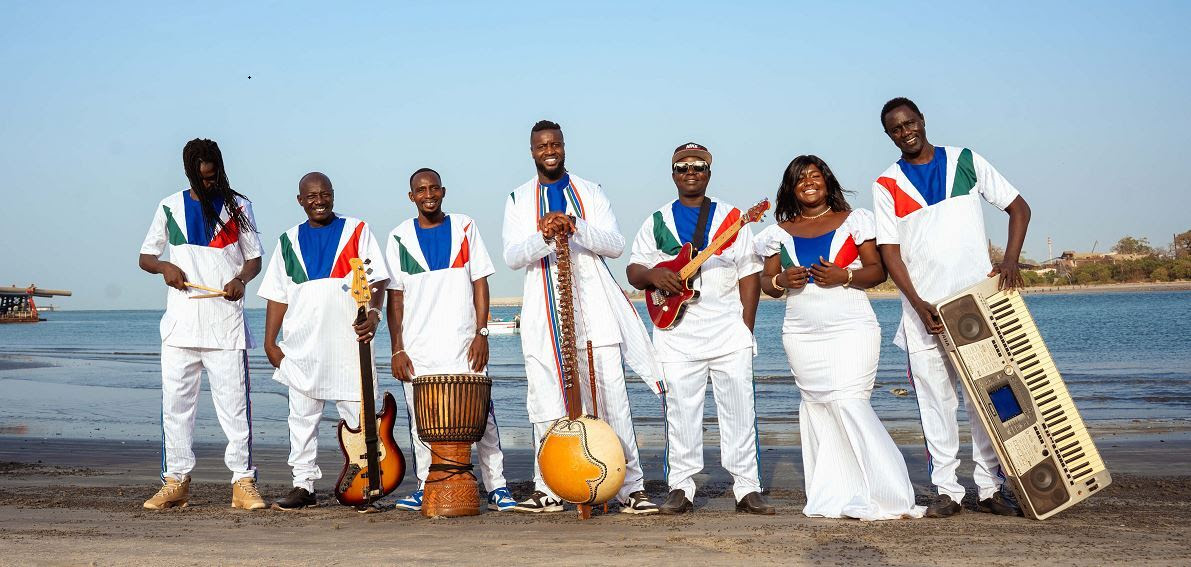
It uses instruments like brass horns, guitars, drums, and African percussions to create an upbeat danceable sound. Combined with lyrics that talk about love, everyday life, social issues, and culture, we can definitely see why its still a widely relevant genre.


Most popular

Top amapiano songs of 2026
16 Feb 2026

Top Afrobeats songs of 2026
19 Mar 2026

Top Naija songs of 2026
31 Mar 2026
Open call: 2026 Gender@Work music industry training in Johannesburg
09 Oct 2026
Gambia: Suntou Susso announce UK tour for ‘The Path of a Griot’
09 Oct 2026

R&B collective Both Worlds targets SA market
16 Oct 2026
Disclaimer: Music In Africa provides a platform for musicians and contributors to embed music and videos solely for promotional purposes. If any track or video embedded on this platform violates any copyrights please inform us immediately and we will take it down. Please read our Terms of Use for more.

Subscribe to our monthly Newsletter
Follow us on social media


Please log in to post a comment.