


























































Impact of COVID-19 on the live music sector in South Africa

24 May 2022 - 07:21


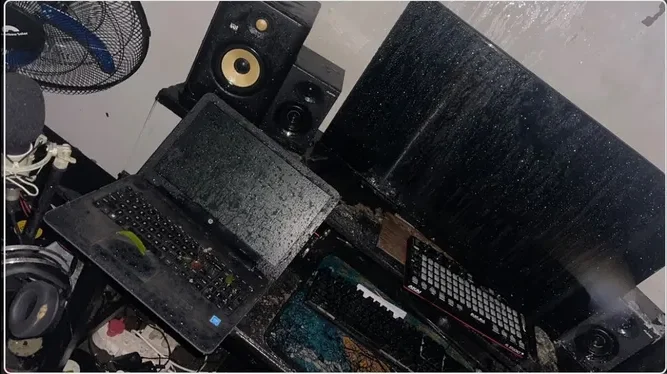
It has been widely reported that the music industry has been devastated in the wake of the COVID-19 pandemic. The interruption of the live circuit led to the loss of jobs not only for musicians but also event organisers, booking agents, sound engineers and other freelancers.

This article summarises the impact of the COVID-19 pandemic on the South African live music industry.
The COVID-19 pandemic in context
Since the 'death' of physical musical formats like CDs in the early 2010s, musicians have relied on income derived from live performances. The COVID-19 pandemic and the subsequent lockdown regulations put in place by the South African government in March 2020 caused an overnight shutdown of this entire industry.
According to a study conducted by the South African Cultural Observatory and published in 2020, 90% of professionals within the live music industry lost income due to COVID-19, while 25% indicated that they would not be able to continue with any activities of their business under lockdown.[1] Musicians have gone on record across multiple media platforms, saying that they have lost their homes and vehicles during this time, as they have been simply unable to generate enough income to sustain their lifestyles and keep their businesses in operation.[2]
The live circuit crashes
Starved of customers by lockdown regulations, performance venues around the country have closed down.[3] In July, one of the country’s biggest and most iconic concert venues, the TicketPro Dome, was sold to the used car trader WeBuyCars in a symbolic defeat for the industry. The Dome, which was the biggest indoor venue in the country, previously hosted South African superstars such as Kanye West, Drake, Migos, Black Coffee and Cassper Nyovest, among many others.[4]
Meanwhile, efforts to take live performances online have not proven to be as effective as initially hoped.[5] A few bands have managed to generate income through virtual live shows, but unlike in the physical world, where an artist can play multiple shows every weekend or even on a single night, the virtual space doesn’t allow for a busy gig schedule in the same way. According to a 2020 study by Concerts SA, live-streaming revenue amounted to less than a third of what musicians can earn when touring live.[6]
[video:https://www.youtube.com/embed/AhvlZA0TjNE width:744 height:446 autoplay:0]
Video: This May 2020 SABC news insert discusses the impact of COVID-19 pandemic on South Africa’s music industry.
Government support falters
The closure of big and small venues across South Africa’s cities and towns should also be viewed against the backdrop of a failed government relief plan. At the start of the 2020 lockdown, the South African Department of Sport, Arts and Culture announced a relief fund for South African artists and athletes affected by the pandemic. At R300m ($19m), increased by donations from the initial pledge of R150m, the fund was always going to be inadequate. What led to further disappointment were widely reported charges of corruption and mismanagement that plagued the distribution of the money.[7]
Furthermore, the South African Cultural Observatory study revealed that most industry actors weren’t able to submit the required documentation when applying for government relief money, owing to the informal and project-based nature of the music business. All in all, only 21% of artists indicated that they had successfully applied to the Department of Sport, Arts and Culture for funding.[8]
Collision course
Just like with many other sectors of the economy, COVID-19 has only exacerbated the music industry’s existing problems.
The industry has long been plagued by declining sales figures, delays in payments of royalties, radio airplay quotas of less than 25% for SA music and many other significant challenges.[9] According to recent figures published by the Recording Industry of South Africa (RiSA), the South African music industry was worth more than R200m a year in 1998, but today it is worth only R30m a year.[10]
Although the South African music industry has faced structural challenges for many years, it is unarguable that the COVID-19 pandemic, and particularly its impact on the live performance sector, has acted as an accelerant.
[video:https://www.youtube.com/embed/9nXAJnKOj64 width:744 height:446 autoplay:0]
Video: The State of the Arts – The Forgotten Industry is a documentary highlighting the struggles faced by the entertainment sector during the COVID-19 pandemic.
Weathering the storm
Although it has been some months since a new, more dangerous variant of the virus has been discovered, the global economy and its various industries still face a future that is hard to predict.
In the short term, musicians should look at alternative revenue streams like crowdfunding, brand partnerships and the online sale of merchandise. In the long term, the job of making the live music industry more sustainable and resilient is a complex process that will take many years of close collaboration between key industry players.[11]
Resources and citations
- [1] South African Cultural Observatory. (2020). Measuring the impact of the COVID-19 Crisis on the Cultural and Creative Industries in South Africa: One year on. Accessed on January 14, 2022: https://www.southafricanculturalobservatory.org.za/download/800
- [2] Gedye, L. (2020). “COVID-19 leaves creative industry vulnerable”. New Frame. Accessed on January 14, 2022: https://www.newframe.com/covid-19-leaves-creative-industry-vulnerable/
- [3] Chonguica, M., Ongala, A., Wanyanya, W., Sarr, D. & Lombard, R. (2021). Transformations of the African Live Music Industry. Music In Africa ACCES Conference, Johannesburg.
- [4] BusinessTech. (2021). “WeBuyCars buys Ticketpro Dome”. Accessed on January 14, 2022: https://businesstech.co.za/news/business/507528/webuycars-buys-ticketpro-dome/
- [5] Ansell, G. (2020). “Are lockdown live streams working for South Africa’s musicians?”. The Conversation. Accessed on January 14, 2022: https://theconversation.com/are-lockdown-live-streams-working-for-south-africas-musicians-144946
- [6] ConcertsSA. (2020). Digital Futures? Live Streaming in South Africa. Accessed on January 14, 2022: http://www.concertssa.co.za/wp-content/uploads/2015/04/Digital-Futures-online.pdf
- [7] Mafolo, K. (2021). “Artists take a stand with sit-ins over poor management of Covid relief fund”. The Daily Maverick. Accessed on January 14, 2022: https://www.dailymaverick.co.za/article/2021-03-20-artists-take-a-stand-with-sit-ins-over-poor-management-of-covid-relief-fund/
- [8] South African Cultural Observatory. (2020). Ibid.
- [9] Moore, N. (2021). “Catastrophic decline in the South African music industry”. Ground Up. Accessed on January 14, 2022: https://www.groundup.org.za/article/catastrophic-decline-south-african-music-industry/
- [10] Recording Industry of South Africa. (2021). Custom Reports: December 2020. Accessed on January 14, 2022: https://www.risa.org.za/website/statistics/
- [11] Chonguica, M., Ongala, A., Wanyanya, W., Sarr, D. & Lombard, R. (2021). Ibid.
This article is part of the Revenue Streams for African Musicians project, supported by UNESCO’s International Fund for Cultural Diversity in the framework of the UNESCO 2005 Convention on the Protection and Promotion of the Diversity of Cultural Expressions, the Siemens Cents4Sense programme, Siemens Stiftung, Goethe-Institut, the National Arts Council of South Africa and Kaya FM.
Editing by David Cornwell and Kalin Pashaliev


Most popular

Top amapiano songs of 2026
16 Feb 2026

Top Afrobeats songs of 2026
19 Mar 2026

Top Naija songs of 2026
31 Mar 2026
Open call: 2026 Gender@Work music industry training in Johannesburg
09 Oct 2026

Gambia: Suntou Susso announce UK tour for ‘The Path of a Griot’
09 Oct 2026

ACCES unveils stellar programme for 2026 edition
17 Oct 2026
Disclaimer: Music In Africa provides a platform for musicians and contributors to embed music and videos solely for promotional purposes. If any track or video embedded on this platform violates any copyrights please inform us immediately and we will take it down. Please read our Terms of Use for more.

Subscribe to our monthly Newsletter
Follow us on social media


Please log in to post a comment.