











































Navigating the Music Industry as a Visually Impaired Musician in Africa
21 Sep 2023 - 08:13


The music industry is a challenging yet rewarding field, requiring dedication, talent, and perseverance. However, for visually impaired musicians in Africa, the journey is often compounded by unique obstacles.
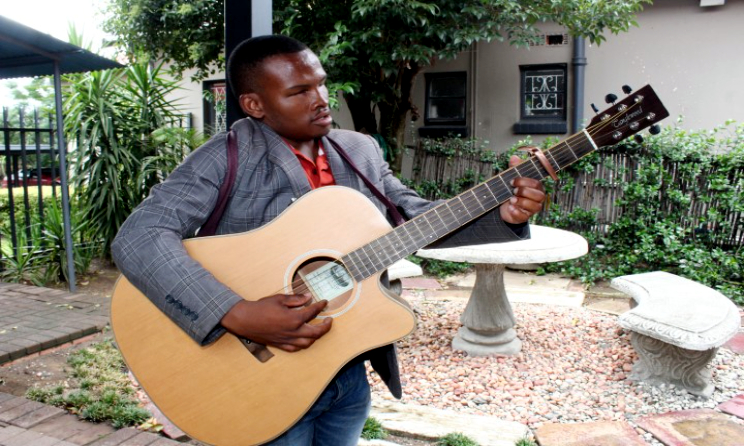
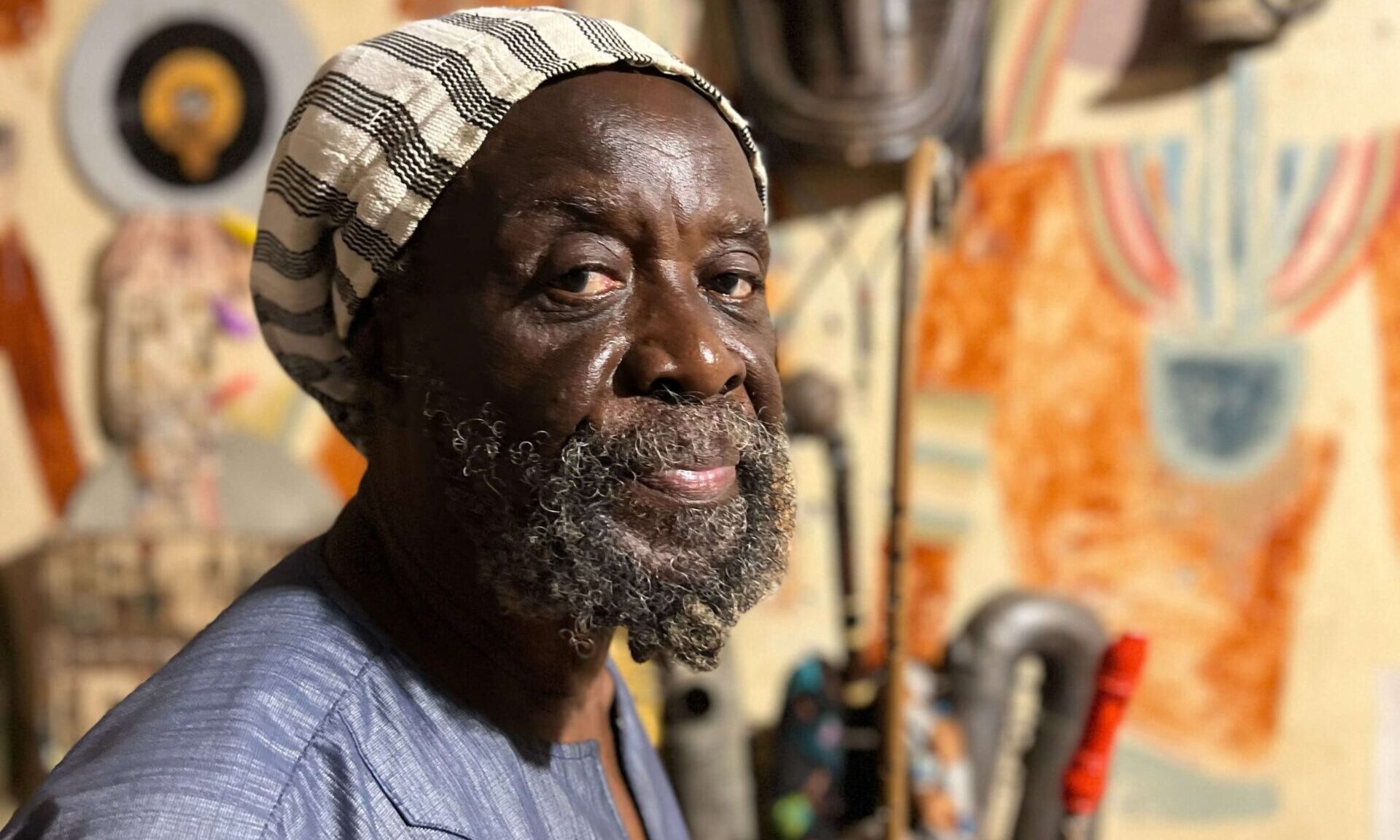
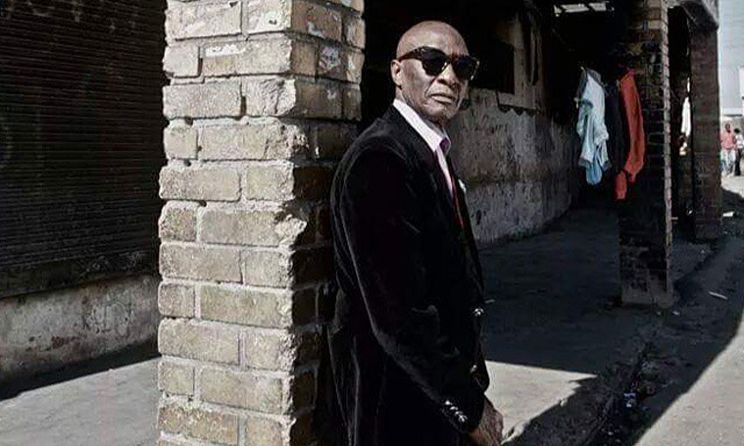
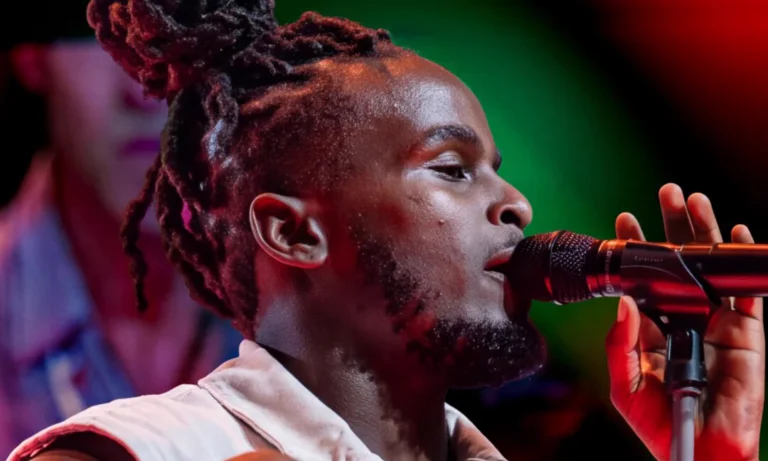
South African artist Khazozo, who has navigated these hurdles, says, "If I were weak-minded, I would have given up long ago, it’s not easy for artists and musicians with disabilities to navigate this industry."
At just 2 years old, Khazozo, whose full name is Cebolenkosi Bongani Makhaza, lost his eyesight. However, after seeing him learn to play the guitar from homemade instruments made from empty jerry cans, a plank and some fishing line in his early childhood, his mother saw potential in his music career and enrolled him in a blind music school at a young age. Here, he was trained and empowered in singing and playing the guitar. Khazozo used his life experiences and people as inspiration to write songs that captured the hearts of many listeners.
In this article, we delve into Khazozo's journey, highlighting his remarkable resilience and the ongoing efforts to foster inclusivity in the music industry for visually impaired musicians in Africa.
Limited access to music education is a significant challenge for visually impaired musicians in Africa. Scarce inclusive programs and resources hinder skill and knowledge acquisition. Many creative and cultural organizations lack trained staff to assist individuals with disabilities, impeding their access to funding and education.
"One of the main difficulties musicians with disabilities face is access to services from organizations such as funding, skills development, and education," Khazozo highlights. Many of the staff who work in the industry are not trained to work with people who have disabilities.” Khazozo explains.
Administering grants and funding can be equally challenging due to inaccessible processes. Often, forms are not available in braille, adding extra costs and obstacles. Khazozo advocates for more accessible spaces for disabled musicians to access funding, training, and education. This ensures not only access but also the successful receipt of funding, addressing a critical need in the industry.
Inadequate infrastructure within the music industry presents another challenge for visually impaired musicians in Africa. Accessible venues and studios equipped with technologies like braille music notation and adaptive instruments are lacking. Khazozo often funds his own projects, including studio time and paying session musicians.
“If it were not for people like Sibongeseni Tshabalala from Ladysmith Black Mambazo, who actually accommodated me with free studio time at his Durban premises to record my song ‘vuma babe’, many artists like myself would have even more difficulties in just creating our music projects.” Says Khazozo.
While challenges persist, progress is being made towards inclusivity. Initiatives like the "We Can Arts Festival" showcase and celebrate artists with disabilities, promoting integration into the mainstream creative arts industry. These efforts are vital in providing visually impaired musicians with accessible spaces to fully express their artistic vision.
Khazozo expresses his gratitude, saying, "I would like to take this time to thank the We Can Arts Festival for everything that they do for musicians with disabilities. It was with their help that I managed to gain access to my first unplugged sessions on Ukhozi FM, and that has had an important and profound effect on my career."
Societal attitudes and misconceptions surrounding disabilities create additional barriers for visually impaired musicians. He highlights how the stigma surrounding disabled artists affects their access to grants and opportunities. One of his main challenges is exploitation by event organizers who often pay him late, or not at all despite performing, “I feel like the talents of disabled people are not valued in this country, we’re not being taken seriously.”
He also believes that TV and radio organizations can play a pivotal role in raising awareness and promoting inclusivity by educating the public about musicians with disabilities, ultimately shifting perceptions into more mainstream acceptance.
“TV and radio organisations hold the key to really changing the landscape for musicians and artists with disabilities by educating the public about musicians with disabilities and elevating those conversations around musicians with disabilities into more mainstream spaces.”
Financial constraints pose a significant challenge for visually impaired musicians in Africa. Limited funding restricts access to instruments, equipment, and professional development opportunities. Khazozo has faced many challenges in obtaining grants and financial support.
“I have applied many, many times for creative grants but never received a grant despite applying many times. Even during Covid I applied for the covid 19 artist relief fund, to this day I have not received the funds. Not knowing the right people is another challenge because if you don’t have access to decision makers the chances of you getting a grant is extremely low.”
However, the music industry is actively addressing the challenges faced by visually impaired musicians by establishing grants and scholarships tailored to their needs. Leading this effort is the Music In Africa Foundation, committed to empowering African musicians with disabilities through training, advocacy, and awareness initiatives. ABLE ARTS Africa, another significant organization, promotes inclusion in the arts by organizing workshops and events for disabled artists.
The Inclusion Arts Movement collaborates with artists and governments across Africa to advocate for the inclusion of disabled musicians. The African Decade of Persons with Disabilities (ADPD), although not exclusively focused on musicians, indirectly supports disabled artists by advocating for their rights in various sectors.
The World Blind Union offers valuable scholarships for visually impaired individuals pursuing music careers. In South Africa, Blind SA Bursary South Africa provides financial aid, reflecting their dedication to inclusivity and equal opportunities for the visually impaired. These initiatives are essential for empowering disabled musicians in Africa and ensuring their access to education and resources.
In conclusion, the journey of visually impaired musicians in Africa is marked by challenges but also resilience and determination as demonstrated by Khazozo and many others like him. Awareness campaigns and advocacy initiatives are actively working to promote inclusivity, celebrate diversity, and dismantle the barriers imposed by societal stigma. Organizations like the Music In Africa Foundation, ABLE ARTS Africa, Inclusion Arts Movement, Music and Disability Initiative Africa (MDIA), and the African Decade of Persons with Disabilities (ADPD) are playing pivotal roles in ensuring that musicians with disabilities have a place in Africa's diverse and rich music scene, fostering diversity and inclusivity in the continent's cultural fabric.


Most popular

Top Naija songs of 2026
31 Mar 2026

Top Afrobeats songs of 2026
19 Mar 2026
Ghana: Mr Eazi and MOLIY’s ‘Comfort’ earns Urban Music Awards nomination
21 Oct 2026

Top amapiano songs of 2026
16 Feb 2026
Open call: CANEX Music Business Lab and Songwriting Camp
15 Oct 2026
Nigeria: CANEX WKND unveils 2026 programme
21 Oct 2026
Disclaimer: Music In Africa provides a platform for musicians and contributors to embed music and videos solely for promotional purposes. If any track or video embedded on this platform violates any copyrights please inform us immediately and we will take it down. Please read our Terms of Use for more.

Subscribe to our monthly Newsletter
Follow us on social media


Please log in to post a comment.