

















































This text provides an overview of some of the main popular music genres in Swaziland.
Music and dance play a huge role in Swazi culture. Song was traditionally used as a method of storytelling and has since evolved with the culture. Fast forward to 2016 and the Swazi musical landscape is more colourful than ever, with something for everyone. Popular genres from hip-hop to gospel have all taken on a Swazi identity. The fact that Swaziland has a small population (approximately 1.2 million people) suggests that the market in the country is limited. Most consumers access music through the radio as this is the most convenient and has greater reach than television or the internet.

The popular genres and artists in Swaziland are as follows:
Gospel
Since religion is an important part of Swazi society, gospel is probably the most popular genre. The genre’s success lies in the fact that its message remains relatable to most people. Most of Swaziland’s gospel stars are originally church bands or singers that have made the transition to commercial spaces. Ncandweni Christ Ambassadors and Shongwe & Kuphuka are two of the best examples. These gospel groups helped define the distinctive electric organ sound that is indicative of most Swazi groups that followed. They both enjoy support from South African audiences, while some of their members establishing solo careers like Mzwakhe Myeni of Ncandweni Christ Ambassadors.
As older generations step aside, a new crop of young gospel artists is emerging, breathing new life to the genre that has to compete against other genres in the country. One such star is Nothando Hlophe, who got her break when she auditioned for the all-female gospel collective Women In Praise. Set to launch her debut album in early 2016, with the following she has garnered as a member of Women In Praise, this young singer is set to make a mark on the genre.
Swazi Soul
‘Swazi soul’ as it has been coined is a combination of Afro-jazz, folk and soul that has taken on a Swazi form of expression, mainly through being expressed in Siswati. The genre has gained prominence over the years thanks largely to the efforts of artists like Bholoja, Sandz and Velemseni.
Bholoja is one of Swaziland’s most celebrated singers, known for his unique style influenced by traditional harmonies that keep Swazi culture at the centre of his sound. Bholoja pioneered this genre with the release in 2010 of his debut album, aptly named Swazi Soul. He paved a way for singers to embrace their language and share Swazi stories through the conduit of guitar-driven songs.
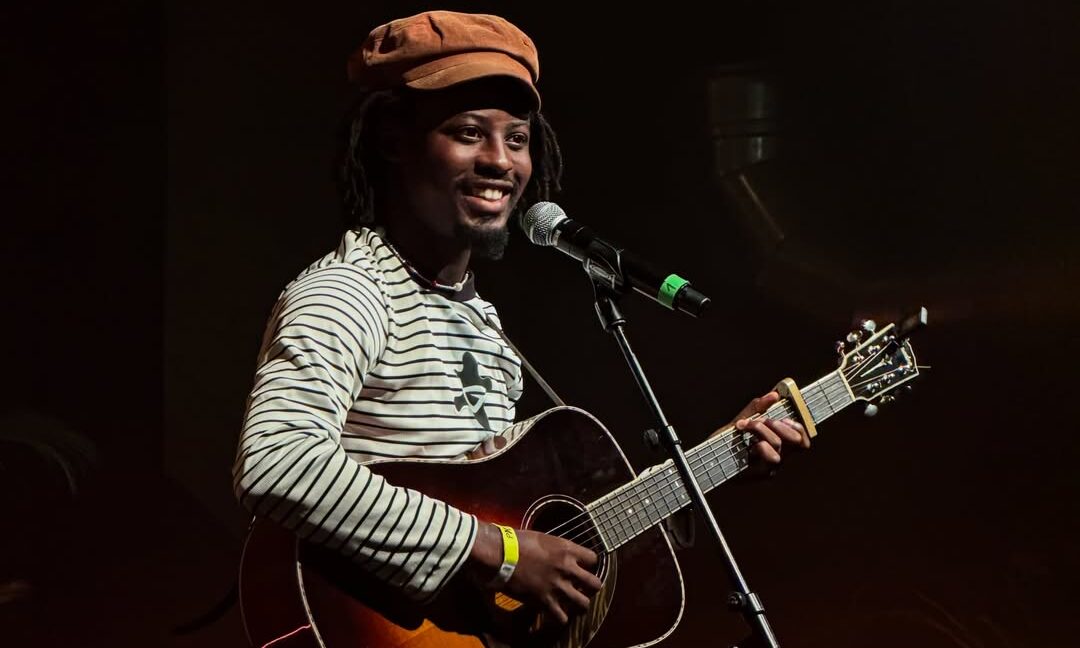
Sandz is Swaziland’s rising star, enjoying tons of attention with his single ‘Vuma’ (translated as ‘agree’). The soft-spoken guitarist is also planning on releasing a full-body of work to much fan anticipation. Sandz has taken the genre and moulded it to satisfy a much younger demographic.
The genre also has female representation in the form of Velemseni. The singer has a clear, soothing voice that shone in her debut album “We Are All People” back in 2012. Like Bholoja and Sandz, she is a guitarist and most of her songs have a large guitar influence but her sound captures the more “afro-jazz” side of the genre.
Hip-Hop
Hip-hop is a genre that has spread across the world and Swaziland is no exception. In its initial stages a distinct Swazi sound was missing, but rappers have finally been able to create an authentic Swazi sound, especially by incorporating more Siswati into their music. Today Swaziland has a thriving hip-hop culture.
A pioneering artist in the genre is rapper KRTC (pronounced Courtesy). He has been in the industry for over ten years and in 2016 in plans to release Unleashed. Hip-hop in Swaziland has also been shaped by producers like Mozaik and Sub Jamz. It has been a collective effort to give Swazi hip-hop the distinct identity it currently enjoys. A genre that literally used to have a small number of artists now boasts a wide selection of talent, each one with a clear, recognisable ‘flow’, including Illa Pen Boy, Psycholution and 80 Script, who is set to release his debut album That of Greatness later in 2016. These and other young acts are quickly redefining the genre by presenting an authentic narrative that captures an honest view of the many facets of Swazi life.
The inception of the Hipnotik Festival, a local hip-hop festival hosted every year around July, is testament to the popular following that hip-hop enjoys in Swaziland today. The festival has hosted a long list of local hip-hop acts as well as others from neighbouring South Africa, including Cassper Nyovest, AKA and Riky Rick. The genre enjoys plenty of airplay on both of Swaziland Broadcasting and Information Services (SBIS) radio stations, SBIS 1 and SBIS 2.
Hip-hop is currently a worldwide phenomenon, and Swaziland is no exception, with the related ‘trap’ trend also influencing songs produced in the kingdom.
R&B
The R&B genre is currently experiencing a revival in Swaziland as artists like Tiyas King, Amanda Mo and Joseph Alexander are taking the genre forward. Since this genre is hard to define clearly because it takes its influence from a range of other genres, R&B in Swaziland arguably hasn’t enjoyed strong visibility in the past. But that is changing now as the genre begins to enjoy airplay on local radio stations and support from audiences.
Another aspect that has kept the genre alive is collaborations between R&B stars and hip-hop artists and DJs. For example, R&B star Tiyas King recently featured on DJ Master P’s hit ‘Winner’s Circle’, which spent weeks on the local charts on SBIS 2. Collaborations like this have helped Swazi R&B artists gain access to audiences that would have previously been inaccessible to them. Tiyas King also recently collaborated with Nigerian superstar Ice Prince on a song[i]. He also recently released a single called ‘Laws Of Attraction’ that is gaining traction beyond Swaziland’s borders.
House
One of the most popular genres in Southern Africa, house is mostly influenced by artists from neighbouring South Africa. Arguably the first house album to be released in Swaziland was back in 2006 - The Swazi Pride: House Culture Vol. 1 by DJ Mixmash & Foster. The album was wholly produced by the DJ duo and pioneered the early days of the Swazi house movement. Volume 2 was released in 2009.
The Antidotes are a group of five Swazi house producers, although they are sometimes confused as South African. The team is known for their popular remixes like Nomalungelo Dladla’s ‘Imiyalo’. They have their own record label, Antidote Music, which they plan to use to produce and promote more Swazi house acts.
Reggae
Swaziland is home to a substantial Rastafarian population and many lovers of reggae music. Jamaican musician Peter Tosh performed in Swaziland in December 1983. Since then Swazi reggae has assimilated traditional African folk influences that give it a unique sound. Some of the most popular Swazi reggae artists are Ras Ritchie, Pachanga and Ras Reggie, co-founder of the veteran Swazi reggae outfit Imphandze and Black Roses who enjoyed success in 1980s and toured neighbouring South Africa and Mozambique. Ras Reggie and Ras Ritchie have been keeping the genre alive by collaborating under the name Ras Reggie & Ras Ritchie Project. Pachanga is well-known for her seamless incorporation of the traditional African sound into her reggae music.
Local radio station SBIS 2 has a reggae-themed show every Thursday afternoon, which plays both local and international reggae music. It is a platform that gives up-and-coming Swazi reggae acts the chance to showcase their music. The country’s thriving reggae culture came to the fore in December 2014 when local venue House On Fire hosted the inaugural Swazi Sunsplash festival, modelled on the famous Reggae Sunsplash in Jamaica.
Country
One of the most unexpected genres to exist in Swaziland is country music - but Swazi country has long enjoyed a cult-like following. There aren’t many active artists but there are legends like Isaac Gamedze and Buddy Masango, who have pioneered the genre and kept it alive. The most popular country act at the moment is Dusty & Stones, who sing in both Siswati and English. Dusty & Stones first album Country Fever (2012) inspired another young singer Cleopatra Methula, soon dubbed the “first lady of Swazi country”, who is set to release her Indilinga in 2016, based on King Sobhuza II’s famous dream.
The genre may not enjoy much airplay on local radio stations, but there are strides being taken to reach a more mainstream audiences. There are shows held throughout the year aimed specifically at local country fans, featuring collaboration between various Swazi country artists. The genre certainly adds to the interesting diversity of pop genres in the kingdom of Swaziland.
[i] Msibi, N. "Tiyas collaborates with Ice Prince". Times Of Swaziland, 20/05/2016 <http://www.times.co.sz/entertainment/107966-tiyas-collaborates-with-ice-prince.html>


Most popular

Top Naija songs of 2026
31 Mar 2026

Top amapiano songs of 2026
16 Feb 2026

Top Afrobeats songs of 2026
19 Mar 2026
Call for applications: ACCES 2026 Emerging Artist Spotlight Competition
01 Oct 2026

AFRIMA 2026: All the winners
12 Jan 2026
CAPASSO backs global principles for fair generative AI music licensing
06 Oct 2026
Disclaimer: Music In Africa provides a platform for musicians and contributors to embed music and videos solely for promotional purposes. If any track or video embedded on this platform violates any copyrights please inform us immediately and we will take it down. Please read our Terms of Use for more.

Subscribe to our monthly Newsletter
Follow us on social media


Please log in to post a comment.