























































The revival of the umakhweyana and ugubhu
08 Apr 2025 - 10:41


By Thobekile ‘Ntomb’Yelanga’ Mbanda
In a conversation with my Grade 6 students, I asked them what they thought of Indigenous musical instruments. They eagerly responded, “They’re instruments that no one plays anymore.”

It’s a common misconception that these instruments have disappeared, and sadly, it's partly true – many of them, like the umakhweyana and ugubhu (both types of traditional South African musical bows), aren’t widely taught in schools today. These instruments are often left out of the music curriculum, and few people outside of specific communities are even aware of their beauty and importance.
But that doesn’t mean these instruments are gone. In fact, they are very much alive, and there are people working tirelessly to keep them from fading into history. One such person is the late Gogo Bavikile Ngema, who spent her life preserving and passing down the art of playing and making the umakhweyana – a Zulu musical bow also played in Sotho, Swati, and Venda cultures. When I had the privilege of learning from her, I saw firsthand how these instruments are not just about making music – they’re a connection to culture, a way of telling stories, and a voice for those who may not have words.
The umakhweyana: more than just an instrument
The umakhweyana is a stringed bow that’s been played by the Zulu people since the 1830s. It’s made from a flexible wooden stick, strung with wire, and played with a stick or dowel. Unlike an archery bow, it’s designed to make music. What makes the umakhweyana special is its sound. The string vibrates in a way that creates a soothing, almost haunting melody. When you pluck the string and stop it with your hand, it creates two distinct notes: one high and clear, the other deeper and more resonant. These subtle tonal changes give the umakhweyana its unique richness. The ugubhu is an unbraced bow that follows a similar process of making and playing but the stick is generally curvier.
The women who kept the umakhweyana alive
One of the most well-known players of the umakhweyana and ugubhu was Princess Constance Magogo Sibilile Mantithi Ngangezinye kaDinuzulu (1900–1984). She was the daughter of King Dinuzulu of the Zulu kingdom, and despite royal pressures, she never stopped playing the ugubhu and umakhweyana. Her music became the voice of many Zulu women, telling their stories and reflecting their joys and struggles. Thanks to a 1939 recording by Hugh Tracey, Princess Magogo’s music has been preserved for generations, ensuring her legacy lives on.
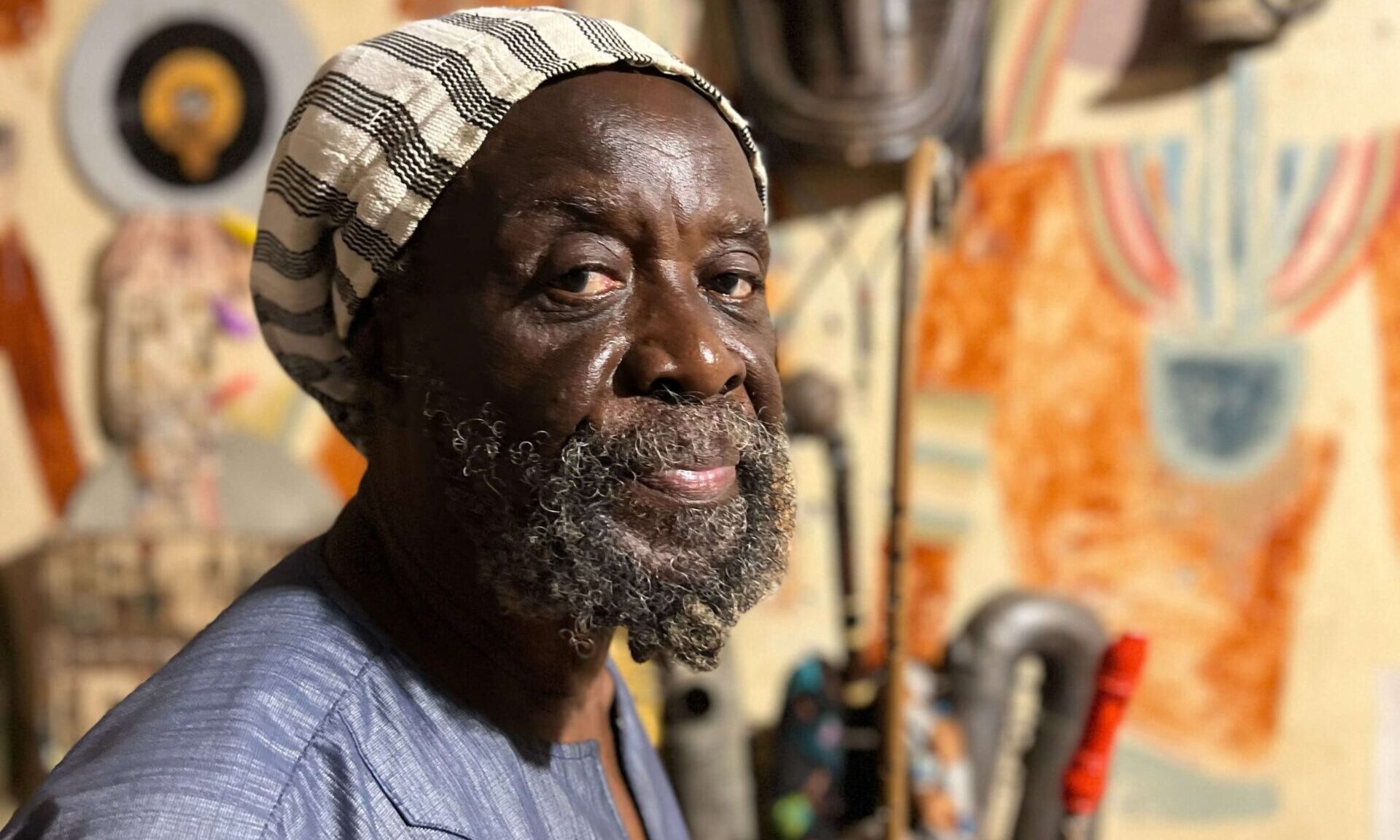
Another figure in the revival of the umakhweyana is Gogo Bavikile Ngema, born in 1951 in KwaZulu-Natal. Gogo Bavikile learned to play the umakhweyana by watching her sisters and became a master of the instrument. Not only did she perfect her technique, but she also became known for making her own instruments, using specific woods and materials for the perfect sound.
Gogo Bavikile’s life was intertwined with the umakhweyana. She once told me how her husband didn’t initially allow her to play the instrument after their marriage. This caused her sadness, but with support from her mother-in-law, she won a local competition playing the umakhweyana, and her husband proudly acknowledged her skill. She even slept with her bow beside her bed, always ready for inspiration to strike.
Even after her passing, Gogo Bavikile’s influence lives on. She taught me, other musicians, and students at the University of KwaZulu-Natal how to play and build these bows, keeping the tradition alive.
In addition to these incredible women, I also want to mention those who have contributed to the preservation and promotion of umakhweyana and ugubhu, which were first recorded live in the 1980s and remain a key source of reference for the continued existence of both. These individuals include Princess Phumuzile Mpanza, King Solomon, Bangindawo Mpanza (Princess Phumuzile’s husband), Ziphokuhle Nyandu, Uzulu E. Zulu, Brother Clement Sithole, and the Swati Servite Nun Mother Adelia Dlamini, who played a major role in performing Swati makhoyane for church songs.
Why these instruments matter today
In a world where technology and popular music dominate, umakhweyana and ugubhu may seem like relics of the past. But they are anything but. These instruments carry the heart of Zulu, Xhosa, Swati, Venda, and Sotho musical traditions, and their revival is not just about preserving a sound – it’s about reclaiming a piece of our cultural identity.
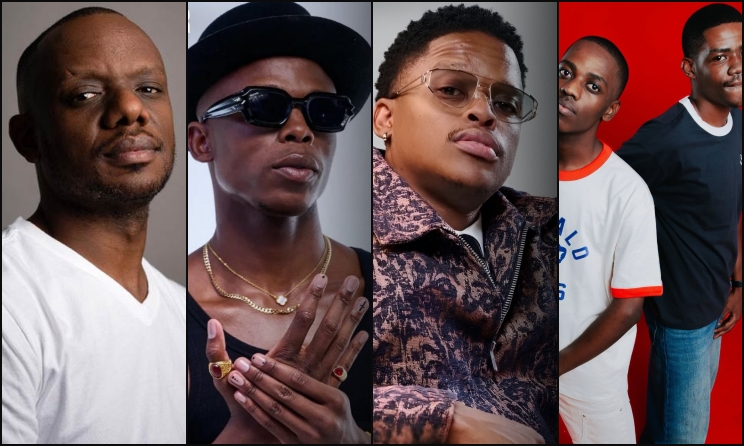
Today, many musicians and storytellers, like Zanele Ndlovu, Ceduma Qamata, Ntomb’Yelanga, Zawadi Yamungu, Luyolo Lenga, and Thandeka Mfinyongo, are breathing new life into these instruments by incorporating them into modern music. From folk to jazz to pop, even qhom and house music, umakhweyana and ugubhu are finding their place in new genres, reaching younger audiences and ensuring that these ancient sounds continue to evolve.
Umakhweyana and ugubhu aren’t just for music lovers or musicians – they’re for anyone who wants to connect with a part of our shared heritage. In schools, we can help preserve these instruments by teaching the next generation to play, build, and appreciate them. Imagine if every school in South Africa included indigenous instruments in their music programmes. Not only would it keep our traditions alive, but it would also show young people how to bridge the past and present, learning from the old while creating something new.
How you can help keep this music alive
The survival of the umakhweyana and ugubhu depends on more than just musicians – it depends on all of us. Whether you’re a music lover, a teacher, or simply someone who cares about preserving our cultural heritage, there are ways you can help. Support local musicians who play these instruments. Share their music with others. And if you’re feeling inspired, consider learning how to play one yourself! The more we all contribute to keeping these traditions alive, the stronger the bond between past, present, and future will be.
In conclusion, umakhweyana and ugubhu are not just instruments – they are a living, breathing part of South Africa’s musical and cultural identity. By playing them, teaching them, and sharing their beauty, we ensure that these traditions continue to resonate for generations to come.
Thobekile Mbanda, affectionately known as Ntomb’Yelanga, is an author of children’s books, an indigenous instrument researcher, and a writer dedicated to preserving and promoting cultural heritage. Through storytelling and music, she creates engaging educational resources, workshops, and research that celebrate indigenous knowledge, inspiring young minds to connect with their roots and traditions.


Most popular
Gambia: Suntou Susso announce UK tour for ‘The Path of a Griot’
09 Oct 2026

Top amapiano songs of 2026
16 Feb 2026
Open call: 2026 Gender@Work music industry training in Johannesburg
09 Oct 2026

Top Afrobeats songs of 2026
19 Mar 2026

Top Naija songs of 2026
31 Mar 2026

Call for applications: ACCES 2026 Emerging Artist Spotlight Competition
01 Oct 2026
Disclaimer: Music In Africa provides a platform for musicians and contributors to embed music and videos solely for promotional purposes. If any track or video embedded on this platform violates any copyrights please inform us immediately and we will take it down. Please read our Terms of Use for more.

Subscribe to our monthly Newsletter
Follow us on social media


Please log in to post a comment.