











































NEFCISA
NEFCISA

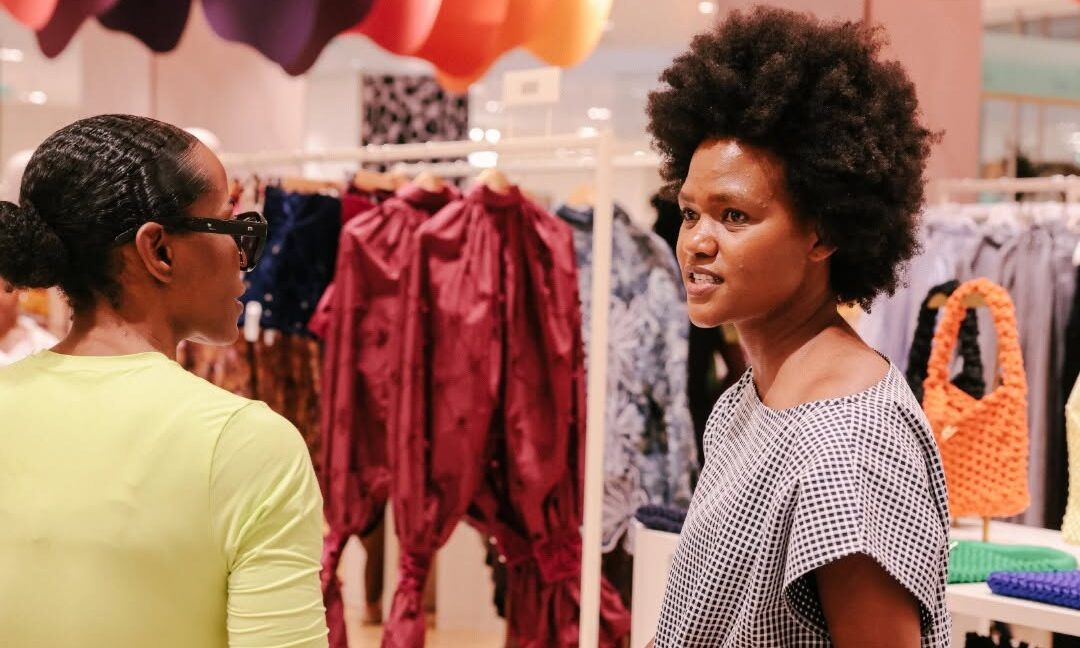
The Music In Africa Foundation (MIAF) is proud to announce its partnership with the Industrial Development Corporation (IDC) as a Strategic Implementing Partner (SIP) for its Social Employment Fund (SEF). Through this collaboration, MIAF is launching a new national programme designed to create jobs, address skills gaps, and strengthen South Africa’s creative industries — in line with the SEF’s overarching goal to generate work for the common good and build community value through employment, social contribution, and inclusive economic participation. Operating under the banner NEFCISA (National Employment Facility for Creative Industries in South Africa), the initiative will recruit and train participants, match them with host organisations, and place a minimum of 1 000 workers across the country. Key Objectives: Support employment and entrepreneurship in the creative industries. Offer skills development and training programmes. Foster partnerships between public and private creative sectors. Promote South African creativity at both provincial and national levels Foster community development through social contribution.

ACCES
ACCES

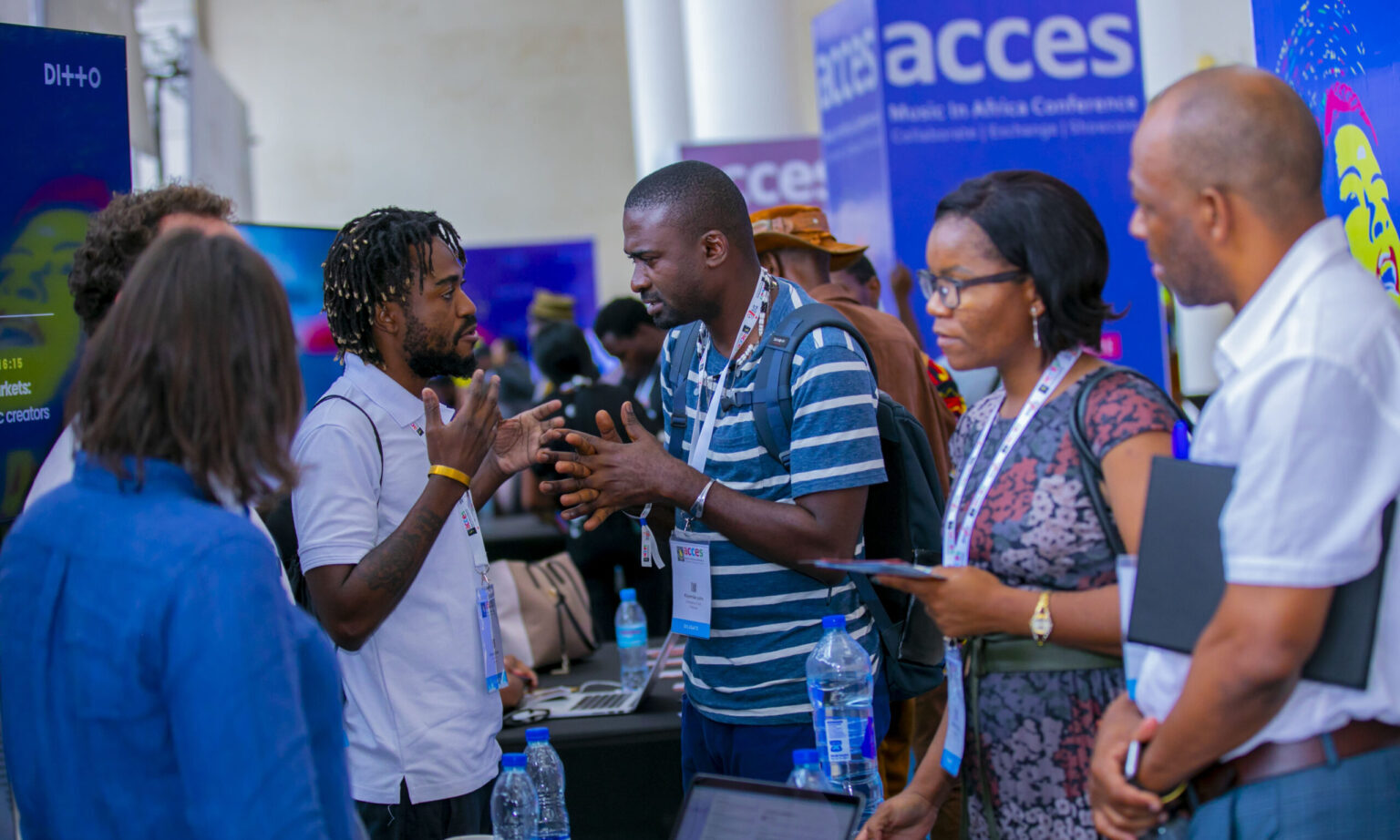
ACCES has stamped its authority as Africa’s leading music trade event. At the 2019 edition in Accra, the conference brought together more than 1 200 delegates from about 50 countries on the continent and beyond. The conference also hosted 76 showcasing artists from Africa and the diaspora, who got to perform for an influential audience at two top live venues in the Ghanaian capital. Apart from live showcases, the event features panel discussions, presentations, exhibitions, pitch sessions, Q&A sessions with prominent musicians and visits to key music industry hubs in the host city. Many of these activities will be planned for ACCES 2021, with the ACCES team already exploring a tailor-made programme that will cater for the specific needs of the local music industry amid the pandemic. ACCES is organised by the Music In Africa Foundation, a non-profit and pan-African organisation, in partnership with Siemens Stiftung and Goethe-Institut.

Gender@Work
Gender@Work

Music In Africa Gender @ Work is a three-year training programme aimed at upskilling and increasing the participation of female professionals in the African music sector. Launched by the Music In Africa Foundation (MIAF) in April 2019, the programme is connected to the MIAF’s ACCES music conference – a pan-African event held in a different African country every year. This connection enables the programme to reach new participants in a different African country every year. The programme marks the beginning of a more concerted effort by the Foundation to support the participation and inclusion of women in all facets of its programmes and the music sector in Africa as a whole. Over the three years, the programme will aim to address gender imbalances in the sector through training, lobbying, facilitating knowledge exchange and dialogues that foster the interest of women. The broader objectives of the programme are to: Provide industry training for women on critical music industry skills, focusing on: Stage management Electronic music production and recording Music business management Technical knowledge Provide an opportunity for both professional and aspiring women to benefit from the Music In Africa network and its broad range of activities in 2019, 2020 and 2021. Provide a solution-based platform in the form of a round table at ACCES with a view to identify challenges, discuss opportunities and lobby for the interests of female practitioners. Offer participants the opportunity to benefit from programmes offered by MIAF’s partners. Increase access to educational materials. Integrate participants in the broader ACCES programme to maximise experience and exposure to the industry. Record and present training materials on the www.musicinafrica.net, including but not limited to tutorials, templates and other best-practice materials. Communicate women-based themes that support the initiatives and messages of the programme. MAIN TRAINING ACTIVITIES Training in first country (Ghana): In the first year, participants will be trained on all aspects of stage management by a team of experienced stage managers from 10 to 17 November 2019. The programme will offer robust classroom training as well as practical, hands-on training in which participants will also be given the opportunity to manage various aspects of the ACCES performance programme. Training in second country: The second training iteration will take place at ACCES 2020 when the programme will diversify its course to include music production lessons and training on other music business topics. A round-table platform will also be introduced to coincide with the ACCES programme. Training in third country: The third training iteration will take place at ACCES 2021 in a different country, offering an advanced course. HOW DO YOU GET INVOLVED?  As a participant, facilitator or trainer: The programme enrolls up to 12 trainees every year. All opportunities are advertised publicly on this website, and will be added to this page. Please keep checking this page for new calls (below under UPDATES & CURRENT OPPORTUNITIES). As a partner Please contact Claire Metais at claire@musicinafrica.net. APPLY The call for applications for 2020 will be announced soon. The Music In Africa Gender @ Work programme is made possible with the support of the Prince Claus Fund, Siemens Stiftung and Goethe-Institut.

Sound Connects Fund
Sound Connects Fund

For cultural and creative practitioners and organisations operating in southern Africa, access to funding remains a major challenge. The COVID-19 pandemic has also had a massive impact on government policy, spending and the economy in general, and has seen spending on culture being moved further down the list of priorities. Further, the cultural and creative industries repeatedly cite four main areas where investment is needed for growth, which are increased visibility, mobility including access to new markets, finance and support structures.

Instrument Building And Repair Project

Experience the Vibrations African Instruments Exhibition online in 3D

News

SAMRO board confirms fraud, hands matter to police

08 Dec 2023 - 06:46

cc-img flag-img

The Southern African Music Rights Organisation (SAMRO) board of directors has alleged there were fraudulent activities by some of its members who made irregular royalty claims and thereby defrauded the collective management organisation (CMO).

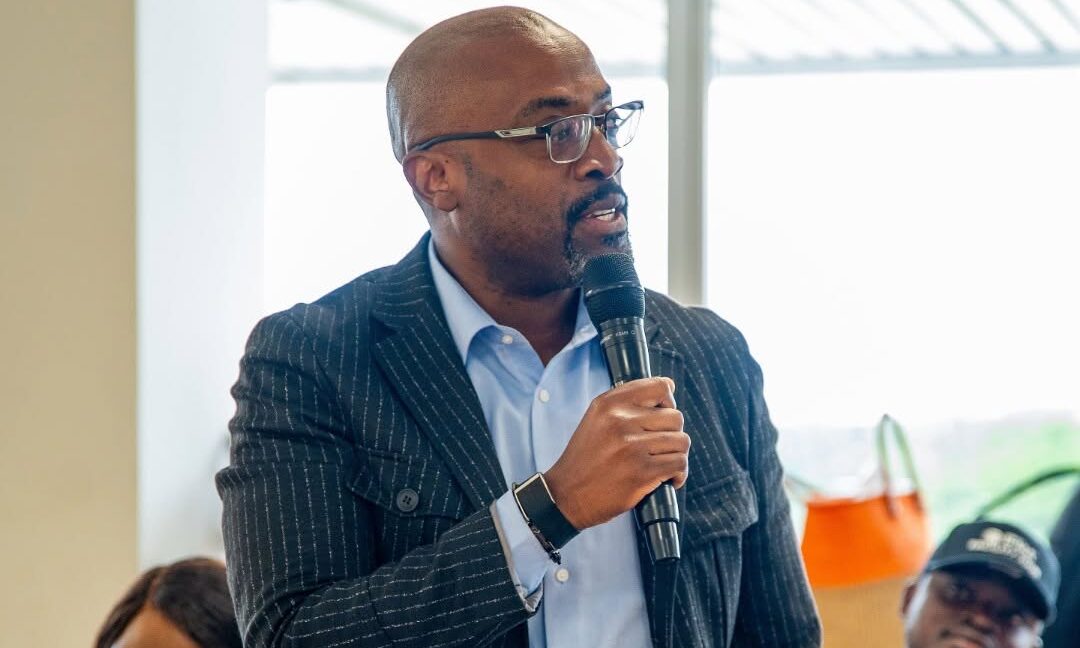
SAMRO board chairperson Nicholas Maweni.

In response, the board commissioned a forensic investigation into the matter to understand the full extent of the problem. SAMRO says the report confirmed that some SAMRO members were fraudulently claiming royalties that did not belong to them.

SAMRO board chairperson Nicholas Maweni says the case has been handed over to the South African Police Service for investigation and added that the CMO would continue to work with the authorities on the ongoing investigation, which could result in criminal and civil charges against some of its members.

“The report, compiled by independent investigators, made certain recommendations in terms of the steps to be taken with regard to implicated persons,” Maweni said. “These recommendations were reviewed and supported by yet another independent third party. It is clear that certain members have violated the SAMRO Code of Conduct, which is very clear in providing that members of SAMRO shall not provide false or misleading information in relation to musical works to SAMRO.”

Speaking to Music In Africa, Maweni said Fundudzi Forensic Services submitted the comprehensive report sometime this year, which revealed unlawful conduct among some SAMRO publishers, authors and composers. The members had submitted claims for undocumented works to SAMRO, leading to suspicions of fraudulent activity. Undocumented works are those that are reported to SAMRO but cannot be identified.

Based on these findings, SAMRO registered a criminal case for potential fraud against various individuals. Many claims, including one for R3.4m ($180 000), lacked supporting documentation for proof of ownership, indicating fraudulent intentions.

“In one instance, when we started sniffing around this, it was related to a matter of payment from an undocumented work, or non-identified work by that publisher. It was for the value of R3 416 580.62 in just one financial year, 2020 to 2021,” he said. “In another instance, another composer was also trying to get something in the region of over R3m ... and this is a person who normally claims about R1 000 or R300. So we picked up that there was something very, very odd with this. The list is endless and it’s not small amounts, it’s huge amounts.”

How SAMRO was defrauded

Maweni added: “The modus operandi, as we’ve picked up from the people here, is that they go into the undocumented portal and they identify the work that they know is about to expire ... Then they also look in terms of high value and submit claims and say that this is their work. But the good thing about this is that in some cases the money was paid, but in most cases it was not because of our very good, stringent processes that we have at SAMRO.”

He said the fraudulent activities were picked up from the single forensic audit and SAMRO wanted to conduct further investigations to find out how much damage was done in previous years. He pointed out that some claims were made through the help of a SAMRO employee who had since left the organisation.

“We picked up that in certain cases there was a particular employee who worked at SAMRO and was dealing with the undocumented work, and who was even enabling and helping various publishers and composers to claim works that did not belong to them. That person was clearly getting something in return. We’ve got proof of that in terms of various correspondence and this is really what has allowed us to open and register criminal and civil case of potential fraud.”

In a statement, Maweni said SAMRO had welcomed recommendations by the forensic investigators to appoint “more independent non-executive directors to improve good governance at SAMRO.”

SAMRO has also admitted to weaknesses in its internal controls and that management had already implemented remedial measures to mitigate against fraud in the future.

The forensic report was presented to SAMRO members on 7 December following deliberations by the board. SAMRO says its members were given an opportunity to engage with the CMO about its contents.

“I would like to make it very clear that SAMRO has zero tolerance for fraud – one cent stolen is one cent too many. Anyone caught trying to commit such fraud-related offences at SAMRO will be prosecuted to the full extent of the law. We remain adamant about stamping out any forms of criminality within the organisation,” Maweni said, adding that SAMRO had taken steps to recover all irregular payments for undocumented works.

SAMRO’s primary role is to administer performing rights on behalf of its members, including music composers, authors and publishers. It does so by licensing music users such as TV and radio broadcasters through the collection of licence fees that are then distributed as royalties.

This article was updated with more information after initial publication.

Please log in to post a comment.

Most popular

Disclaimer: Music In Africa provides a platform for musicians and contributors to embed music and videos solely for promotional purposes. If any track or video embedded on this platform violates any copyrights please inform us immediately and we will take it down. Please read our Terms of Use for more.

newsletter banner

Subscribe to our monthly Newsletter

Follow us on social media