











































NEFCISA
NEFCISA

The Music In Africa Foundation (MIAF) is proud to announce its partnership with the Industrial Development Corporation (IDC) as a Strategic Implementing Partner (SIP) for its Social Employment Fund (SEF). Through this collaboration, MIAF is launching a new national programme designed to create jobs, address skills gaps, and strengthen South Africa’s creative industries — in line with the SEF’s overarching goal to generate work for the common good and build community value through employment, social contribution, and inclusive economic participation. Operating under the banner NEFCISA (National Employment Facility for Creative Industries in South Africa), the initiative will recruit and train participants, match them with host organisations, and place a minimum of 1 000 workers across the country. Key Objectives: Support employment and entrepreneurship in the creative industries. Offer skills development and training programmes. Foster partnerships between public and private creative sectors. Promote South African creativity at both provincial and national levels Foster community development through social contribution.

ACCES
ACCES

ACCES has stamped its authority as Africa’s leading music trade event. At the 2019 edition in Accra, the conference brought together more than 1 200 delegates from about 50 countries on the continent and beyond. The conference also hosted 76 showcasing artists from Africa and the diaspora, who got to perform for an influential audience at two top live venues in the Ghanaian capital. Apart from live showcases, the event features panel discussions, presentations, exhibitions, pitch sessions, Q&A sessions with prominent musicians and visits to key music industry hubs in the host city. Many of these activities will be planned for ACCES 2021, with the ACCES team already exploring a tailor-made programme that will cater for the specific needs of the local music industry amid the pandemic. ACCES is organised by the Music In Africa Foundation, a non-profit and pan-African organisation, in partnership with Siemens Stiftung and Goethe-Institut.

Gender@Work
Gender@Work

Music In Africa Gender @ Work is a three-year training programme aimed at upskilling and increasing the participation of female professionals in the African music sector. Launched by the Music In Africa Foundation (MIAF) in April 2019, the programme is connected to the MIAF’s ACCES music conference – a pan-African event held in a different African country every year. This connection enables the programme to reach new participants in a different African country every year. The programme marks the beginning of a more concerted effort by the Foundation to support the participation and inclusion of women in all facets of its programmes and the music sector in Africa as a whole. Over the three years, the programme will aim to address gender imbalances in the sector through training, lobbying, facilitating knowledge exchange and dialogues that foster the interest of women. The broader objectives of the programme are to: Provide industry training for women on critical music industry skills, focusing on: Stage management Electronic music production and recording Music business management Technical knowledge Provide an opportunity for both professional and aspiring women to benefit from the Music In Africa network and its broad range of activities in 2019, 2020 and 2021. Provide a solution-based platform in the form of a round table at ACCES with a view to identify challenges, discuss opportunities and lobby for the interests of female practitioners. Offer participants the opportunity to benefit from programmes offered by MIAF’s partners. Increase access to educational materials. Integrate participants in the broader ACCES programme to maximise experience and exposure to the industry. Record and present training materials on the www.musicinafrica.net, including but not limited to tutorials, templates and other best-practice materials. Communicate women-based themes that support the initiatives and messages of the programme. MAIN TRAINING ACTIVITIES Training in first country (Ghana): In the first year, participants will be trained on all aspects of stage management by a team of experienced stage managers from 10 to 17 November 2019. The programme will offer robust classroom training as well as practical, hands-on training in which participants will also be given the opportunity to manage various aspects of the ACCES performance programme. Training in second country: The second training iteration will take place at ACCES 2020 when the programme will diversify its course to include music production lessons and training on other music business topics. A round-table platform will also be introduced to coincide with the ACCES programme. Training in third country: The third training iteration will take place at ACCES 2021 in a different country, offering an advanced course. HOW DO YOU GET INVOLVED?  As a participant, facilitator or trainer: The programme enrolls up to 12 trainees every year. All opportunities are advertised publicly on this website, and will be added to this page. Please keep checking this page for new calls (below under UPDATES & CURRENT OPPORTUNITIES). As a partner Please contact Claire Metais at claire@musicinafrica.net. APPLY The call for applications for 2020 will be announced soon. The Music In Africa Gender @ Work programme is made possible with the support of the Prince Claus Fund, Siemens Stiftung and Goethe-Institut.

Sound Connects Fund
Sound Connects Fund

For cultural and creative practitioners and organisations operating in southern Africa, access to funding remains a major challenge. The COVID-19 pandemic has also had a massive impact on government policy, spending and the economy in general, and has seen spending on culture being moved further down the list of priorities. Further, the cultural and creative industries repeatedly cite four main areas where investment is needed for growth, which are increased visibility, mobility including access to new markets, finance and support structures.

Instrument Building And Repair Project

Experience the Vibrations African Instruments Exhibition online in 3D

Features

Six questions with the British Council’s Kwame Safo
16 Oct 2025 - 15:33

cc-img flag-img

Since 1934, the British Council has been connecting artists and audiences across borders, championing creativity as a force for cultural understanding and sustainable development. Today, that mission continues to drive its work across Africa’s growing creative economy.
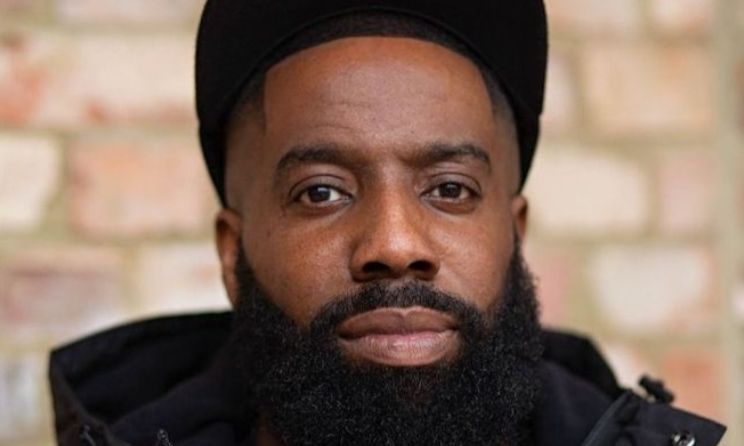
British Council’s Relationship Manager for Arts Kwame Safo.

One of the people at the centre of this effort is Kwame Safo, the British Council’s Relationship Manager for Arts. With over two decades of experience as a DJ, producer and cultural advocate, Safo has a strong passion for programmes that nurture creative talent and strengthen collaboration between Africa and other markets.

Based in the UK, Safo will travel to South Africa for ACCES 2025 in Tshwane, where he’ll join dozens of professionals from across the continent for a panel discussion titled Export Models, Networks and Strategies: Rethinking Global Access for African Music. Ahead of the conference, he spoke to Music In Africa about the British Council’s commitment to Africa’s creative development, its approach to equitable partnerships, and what drives his passion for collaboration.

MUSIC IN AFRICA: How does the British Council support the professional growth of African creatives?

KWAME SAFO: Across Africa’s music landscape, many emerging talents face barriers to resources and visibility. Since 2022, our Music Connects Africa programme has supported more than 150 artists and professionals to monetise their work and build sustainable careers, creating 39 direct and over 100 indirect jobs. Supporting artists such as Mwendamberi, who performs as a key act at ACCES this year, shows what’s possible when targeted support meets raw talent.

How important are sustainability and economic viability to the future of the creative sector?

We see the arts as a catalyst for entrepreneurship and inclusive growth. Our Creative Economy Weeks in Nigeria, Uganda and Zimbabwe have reached over 2.5 million people online and 3 000 in person, bringing together artists, policymakers and entrepreneurs. These engagements not only grow networks but also influence creative policy at national level.

How does the British Council assess the long-term impact of its cultural work?

The British Council are led by insights and research to support robust growth of creative economies and reflect the holistic opportunities. Projects like the International Showcase Fund has been a useful mechanism to embed showcase platforms (which are not as known to Global north music markets) into spaces where African showcasing can benefit from greater commercial opportunities. We also work with experts in their field. In Music past partners for our Creative Economy Support Music Programme Nigeria such as Godwin Tom of Imagine is now the Sony Music Lead Nigeria, and founder of Music Business Academy for Africa.

How can African professionals build stronger global connections on fairer terms?

African professionals must harness digital tools to access new markets and expand beyond traditional creative centres like London. There’s huge potential in engaging with Scotland, Wales and Northern Ireland. I co-founded BLACMEX, the UK’s first Black music export office, to connect organisations committed to Black music genres – many of which trace their roots directly to Africa.

How central is collaboration to your work?

The British Council believes equitable collaboration is critical. Centring local priorities allows us to build partnerships that are sustainable, trust-based and mutually beneficial.

Why is ACCES an important platform for Africa’s creative development?

ACCES exemplifies what happens when collaboration meets opportunity. Working with partners like Music In Africa allows us to attract investment, exchange ideas, and strengthen policy dialogue across the continent. It’s a powerful space for creativity, business and cultural exchange—and we’re proud to support it as it continues to grow.

About the British Council  

The British Council is the UK’s international organisation for cultural relations and educational opportunities. We support peace and prosperity by building connections, understanding and trust between people in the UK and countries worldwide. We do this through our work in arts and culture, education and the English language. We work with people in over 200 countries and territories and are on the ground in more than 100 countries. In 2024-25, we reached 599 million people.

About ACCES

ACCES is a pan-African trade show for music industry players to exchange ideas, discover new talent, and create business linkages. Held in a different African city each year, ACCES attracts active music industry players from across the globe. ACCES 2025 is organised by the Music In Africa Foundation, a non-profit pan-African organisation, in partnership with the City of Tshwane, the South African National Conventions Bureau, and the SAMPRA Development Fund. See all our sponsors and partners here.

Please log in to post a comment.

Most popular

Disclaimer: Music In Africa provides a platform for musicians and contributors to embed music and videos solely for promotional purposes. If any track or video embedded on this platform violates any copyrights please inform us immediately and we will take it down. Please read our Terms of Use for more.

newsletter banner

Subscribe to our monthly Newsletter

Follow us on social media