














































Tanjazz 2024: Four-day celebration of jazz in Tangiers
24 Sep 2024 - 06:46


Held annually since 2000, Tanjazz is a four-day music festival celebrating jazz and all jazz-related styles of music. The festival consists of indoor and outdoor performances and activities across Tangier, Morocco.

This past weekend, from 19 to 22 September, the streets and theatres of the city were filled with a vast diversity of jazz music, from the traditional African genres that influenced jazz, dating back to the 11th century, to jazz-infused electronic/techno mixes. On stage, you’d see and hear the fusion of folk, classical, and modern instruments, melodies, and rhythms. Off the stage, you found a pop-up market and swing dance classes accompanied by live bands.
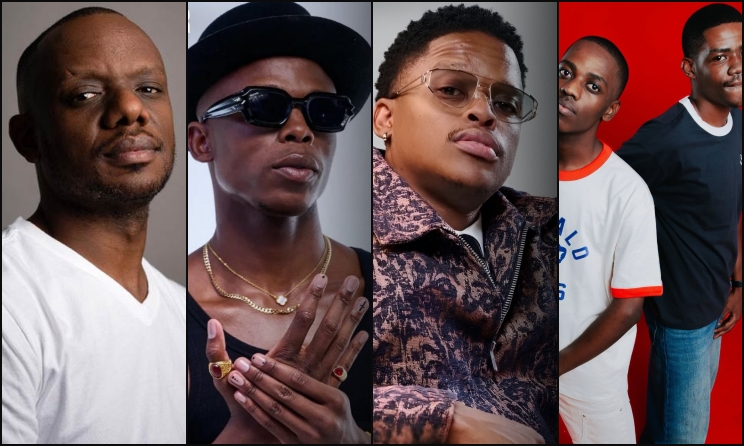
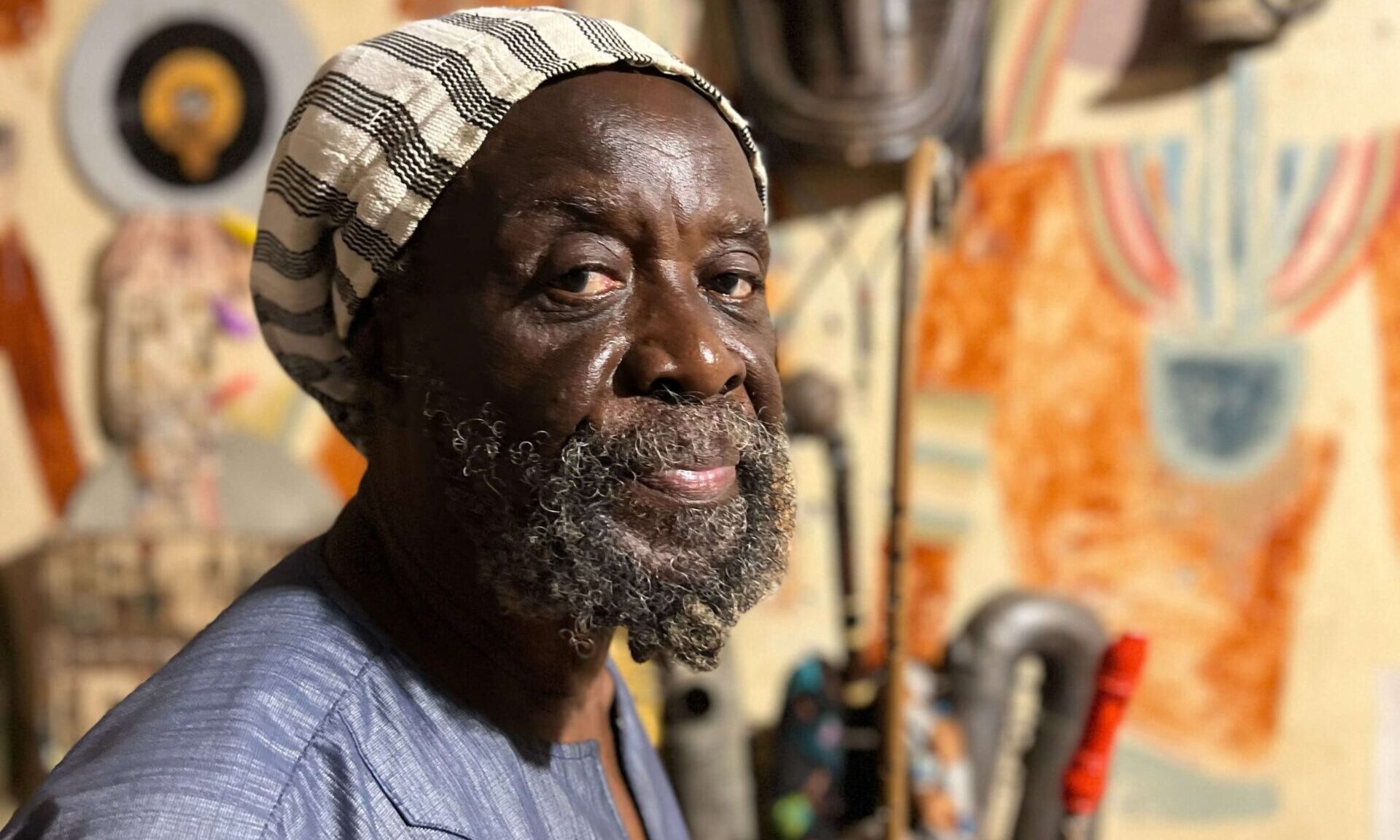
The line-up featured international jazz artists such as the Catalan rumba/flamenco/salsa group Gipsy Kings, Nigerian R&B/soul musician Keziah Jones, Ethio-jazz musician Mulatu Astatke, and Cuban jazz pianists Omar Sosa and Roberto Fonseca. Headlining Moroccan artists included ethno-jazz musician Majid Bekkas, Gnawa master Maalem Hamid El Kasri, and the beloved reggae rock group Hoba Hoba Spirit.
Tangier couldn’t be a more fitting location to celebrate jazz, a genre whose roots begin in Africa and whose branches stretch across the globe. This historic trading port is located at the northern edge of the continent. Stand at its peak, and you will see the Atlantic Ocean to the left, the Mediterranean Sea to your right, and the coast of Europe in front of you. Through the 20th century, Tangier was hailed as an international artistic and cultural hub by artists, musicians, and writers from around the world. This year, UNESCO chose Tangier to be the Global Host of International Jazz Day in honour of its deep and rich jazz heritage. This was the first time an African city was chosen to host this international celebration of jazz, a decision long overdue given that the roots of jazz are planted deep in African soil.
Tanjazz is an international gathering of musicians with a common thread: a passion for music that was influenced by the creative expression of the African diaspora. Jazz fusion is a meeting of musical heritage and transformation, and it seems the Tanjazz venues have been chosen to encapsulate the new and the old, innovation and history. The opening show took place at the newly-opened Palace of Arts and Culture, with headliners performing at the Palace of Italian Institutes, a historic building that has been passed between Belgian, Moroccan, and Italian ownership. A public stage was set up along the ancient walls of the old city, across from the port of Tangier.
The 22nd edition of Tanjazz was cancelled in 2023 due to the earthquake that took place in September 2023, causing severe damage to several villages in the Atlas Mountains. This year marked the long-awaited return of the festival.
Tanjazz kicks off with a brass band parade through the old city
Tangier missed Tanjazz, and we can tell. An international audience gathered to parade through the narrow brick lanes of the old city following the French brass band Lazcar Volcano, brimming with salsa melodies. The parade started at the most elevated point of the old city, the kasbah. The ruins of this ancient citadel overlook the old city from one side, and the Strait of Gibraltar from the other. Like an erupting volcano, the music burst out at the peak of the old city and poured down the narrow, winding alleys until it flooded the central square, also known as the Grand Socco.
Tourists and locals trailed behind the band, grooving to the music. Traffic halted, but this time the only honking of horns was that of the brass band. The drivers were dancing in their cars and filming the band as they passed through. A little boy, around the age of five, wearing a Moroccan football uniform, walked along in the centre of the band, his eyes fixed on the drummer. The group encircled him as they walked down to the Grand Socco, and the little boy looked up at the band, wide-eyed and fascinated. Occasionally, he took a swing at the cymbals on the drummer’s kit. This little boy is definitely a drummer in the making. Once they reached the Grand Socco, the band climbed the steps of the giant fountain in the centre of the Grand Socco, and people across the square gathered around to listen and dance.
After the performance, the band shared that they enjoyed how the audience had “fresh” reactions. They shared that while people in France are used to hearing a brass band, the audience in Tangier was more engaged and captivated.
The Tanjazz opening performance – a fusion of Afro-Cuban jazz and Gnawa blues
Exiting the walls of the old city, let us take a taxi along the coast of Tangier, past the port and marina, to the newly-opened Palace of Arts and Culture. This modern architectural beauty subtly marries the contemporary with the traditional through Moroccan geometric motifs carved into the wooden borders of the stage and the balcony seats. A low droning begins, Omar Sosa enters the stage, and his fingers dance through suspended high notes of the grand piano. He’s followed by Leandro Saint-Hill, spinning a whirly tube whistling harmonies. His vocals resonate deep echoes through the theatre. The quartet is completed by Julio Barreto on the drum kit/congas and Childo Tomas on the electric bass. Sosa and Saint-Hill go back and forth in melodic conversation as Saint-Hill switches between the trumpet, clarinet, and flute. At one point, Sosa started playing the piano directly through the strings, using his hands like hammers. They danced through Afro-Cuban melodies until Sosa invited ethno-jazz and Gnawa musician Majid Bekkas to the stage.
Bekkas joined in the Afro-Cuban melodies with a kalimba. The resonating high notes of the piano and the kalimba, accompanied by a very slow triplet percussion from the drums and qraqeb (castanet-like instruments), sounded soothing and reminiscent of rain on a lake. The qraqeb players went back and forth between the qraqeb and maracas as the group journeyed through different variations of fusion. Every song had a different sound. In some songs, the Gnawa musicians built upon Afro-Cuban sounds with Gnawa anti-phonics, vocal scales, and the percussive triplets of the qraqeb. In others, the quartet danced improvisations on top of classic Gnawa songs, such as ‘Sandiya’.
The melodic and rhythmic conversation between the Afro-Cuban jazz and Gnawa was evocative of a conversation between a child of the diaspora and the ancient ancestors of their homeland. Although they may feel far from each other, they are connected and intertwined. The conversation is spiritual, curious, and vibrant. Beneath it all is the feeling that this conversation not only was meant to happen, but that it has been happening long before this moment.
Indeed, there is music for everyone, with traditional, classical, and contemporary artists taking the stages. Tanjazz has created a playlist featuring music from this year’s performers, giving us an inside glimpse into the sounds that echoed through Tangier this past weekend.


Most popular

Top Naija songs of 2026
31 Mar 2026

Ghana: Mr Eazi and MOLIY’s ‘Comfort’ earns Urban Music Awards nomination
21 Oct 2026

Top Afrobeats songs of 2026
19 Mar 2026

Top amapiano songs of 2026
16 Feb 2026
Open call: CANEX Music Business Lab and Songwriting Camp
15 Oct 2026
Nigeria: CANEX WKND unveils 2026 programme
21 Oct 2026
Disclaimer: Music In Africa provides a platform for musicians and contributors to embed music and videos solely for promotional purposes. If any track or video embedded on this platform violates any copyrights please inform us immediately and we will take it down. Please read our Terms of Use for more.

Subscribe to our monthly Newsletter
Follow us on social media


Please log in to post a comment.