




































By Alex Natuhwera
This overview text details the different forms of traditional music existing in Uganda and the accompanying traditional musical instruments and ceremonies. It also examines the place of folk music in modern Ugandan music.

Musical traditions in Africa have long been passed orally from one generation to the next, and recorded in written form in the journals of Western explorers and academics. Research on African music is based mainly on Western theoretical frameworks and is typically classified according to broad labels such as African Music, Global Music or World Music. Modern scholars of African music - such as Nketia of Ghana, Tracey and Mngoma of South Africa, Maraire of Zimbabwe, Makabuya of Uganda and others - have expressed their reservations about the misrepresentation of African culture by foreigners who did not seemingly understand the people and the functions of the arts in African people’s lives.
Traditional music in Uganda dates back to pre-colonial times, when ancient pastoralists and agriculturalists joined hands and danced to all kinds of traditional rhythms under the night sky. The following day, some people recorded the events of the previous night on stone walls[i]. Since listening was a basic skill in traditional Uganda, a number of Ugandan traditional songs and dances were and still are transmitted from one generation or group to another in oral form. The following is an overview of traditional music genres from each particular region of Uganda.
Western Uganda
The western part of Uganda is composed of various ethnic groups of Bantu-speaking people like the Banyankore, Bakonzo, Batoro and Banyoro. The major traditional music forms include: Ekitaguriro, Ekizina ky'abaishiri, Kurungi Ngweyo and Eky'omutwe gw'abarwane, among others. The common traditional dancing style is known as orunyege. The major traditional musical instruments in this region include endigindi (one-stringed fiddle), amakondere (trumpets), engoma (drums), omukuri (flute), and enanga (trough zither).
Ekitaguriro is the main traditional style of music in Western Uganda. It originates from the Banyankore people of western Uganda, who value their cattle highly (being their main source of income). This music is in praise of the long-horned cattle found nowhere else but in Ankole. The dancers in these songs mimic foot sounds, rhythms, and movements of the elegant Ankole cattle. The main instruments used in this type of music are omukuri (flute) and engoma (drum).
Orunyege-Ntogoro was originally the courtship dance of the Banyoro Batoro people of western Uganda. This interesting dance accords each participant an opportunity to showcase their personal style and skills. In the past, young men and women would be picked at random and paraded in front of the community in a traditional ceremony to choose their future partners. This ceremony was a critical event, especially for the boys, since poor dancers would remain bachelors! The girls were expected to dance well in return, exhibiting kindness, grace, and style in order for them to get the best partners.
Kundiba Nafire, which means 'if I die', originates from the Banyankore from the Ankole Kingdom in western Uganda. In this type of song, mothers carefully urge their children to take note of the lessons they impart while they are still alive. For example, one particular phrase goes 'you will be like cows feeding on the grass' - meaning they shall each take care of themselves.
Central Uganda
The central part of Uganda is mainly inhabited by the Baganda people and hosts the biggest kingdom in Uganda: Buganda[ii]. Their common style of music is Kadongo Kamu (one guitar) and their common traditional music forms are Bakisimba, Nankasa and Amaggunju, which are mostly played during traditional weddings and at royal ceremonies. Their common musical instruments are ngalabi (long round-shaped drum), endongo, adungukadigindi (a type of fiddle), harps and lutes.
Otwenge means 'elbow' in Luganda. This dance is performed in both Uganda and its western neighbor, the Democratic Republic of Congo. The Baganda are renowned for their sensual dancing styles and engaging music. As a contemporary dance, dancers (both men and women) wiggle their elbows in the same pattern and at some point make spectacular moves around the instrumentalists.
The origin of Baakisimba is unknown, but the story that precedes it is of Ssekabaka Namugala Lukanga (who ruled Buganda Kingdom from 1807 to 1811), who drank a local beer made from ripe bananas. He became intoxicated, but since it was taboo among the Baganda to refer to a king as being drunk, the people instead said he was happy. He praised the abaakisiimba (those who had planted the banana trees) and became “so happy and relaxed that he began to move and dance”. Women and men copied the kabaka’s swinging hips and mimicked his steps with their drums. Today this dance is still performed by every generation of the Baganda tribe to remember the abaakisiimba who had made their Kabaka “happy”.
Amaggunju is a soothing lullaby sung by the Baganda. It started in the 1980s when Ssekabaka Kyabaggu (another Buganda king) died without leaving a male heir (considered an abomination in Buganda). Consequently, a woman who had been impregnated by King Kyabaggu was made to sit on the throne in anticipation that her son shall be the next king. An heir was indeed born and as a king is not expected to cry, amaggunju music was played to entertain that infant king.
Eastern Uganda
Bigwala is the traditional music of the Basoga of Eastern Uganda. It is mainly performed during royal celebrations such as coronations and funerals and more recently on social occasions like weddings. Bigwala is performed by a set of five or more single-tone gourd trumpets, blown in unison to produce a melody, accompanied by a particular dancing style. Singers and dancers move in a circular formation around the five trumpeters, gently swinging their waists and raising their hands with excitement in time with the music and rhythm. Song lyrics tell the history of the Basoga, focusing in particular on their king, thus consolidating their identity and links with their past. Bigwala music also addresses issues such as leadership, marital problems and common socio-economic norms and practices[iii].
Kadodi is a specific song from the Bamasaba people of Eastern Uganda. Traditionally performed during circumcision ceremonies, it enacts a young man who is forced to undergo the cutting of his mbalu (foreskin). The rest of the group keeps encouraging him to be brave and survive the painful ritual[iv].
Northern Uganda
Originally a courtship dance of the Acholi people, Larakaraka is a specific song that gives solace to people from Northern Uganda who have been abducted by rebels of the Lord’s Resistance Army. It has a vigorous rhythm and is accompanied by drumming pounded out on gourds struck with bicycle spokes to attract attention. Gourds or calabashes are multi-purpose vessels – also used to fetch water and sometimes as stools. Some people in the Northern part of Uganda use them as umbrellas to limit the effects of the hot sun; and when babies cry, mothers lightly tap out rhythms on gourds to lull them to sleep.
Anjolinaye is a specific praise song that explores the features of a beautiful African girl. It describes the beauty of this African girl, detailing her rounded, well-shaped neck, and sparkling white eyes and teeth. This song was specifically composed by the Alur people of Northern Uganda to uphold the status of women in their society, which had previously been characterized by civil strife.
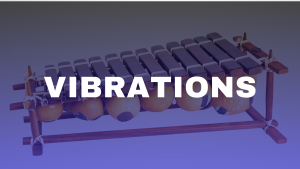
Ding Ding music comes from the Acholi people in the northern part of Uganda, who are highly regarded for their dark complexion and tallness. Girls developing into young women perform this high-energy dance with its sweet, engaging melodies and intense, syncopated rhythms. Ding Ding is played on drums, angwara (flute), addungu (bow harp), xylophone, ukelele and whistle.
Traditional music in modern Uganda
As much as traditional music forms part of Uganda’s history, it also has a strong connection to the contemporary world. For instance, it continues to make a remarkable contribution to the education sector. This explains why much of Uganda’s modern music has deep roots in traditional genres. A considerable number of the musicians in Uganda today developed their musical skills playing traditional music. There have often been disputes over the ownership of particular copyrights, since the same keys and chords are employed.
The spirit of traditional music in Uganda has been evident in the now common traditional cultural galas held at institutions of higher learning, where contestants put up a stiff fight to ultimately emerge victorious. During modern marriage ceremonies like weddings and introductions, traditional music and dance groups have emerged to be so important they have to be catered for in the proposed budget. Ugandans, now more than ever, enjoy wedding parties that feature particular traditional performers. This clearly shows that traditional music is still very relevant and alive in modern Uganda.
It could be argued that in the end, what matters most is the effect that music has on a listener, not the manner in which it is produced. On that note, the sounds of enanga, addungu, angwara and other traditional forms of Ugandan music excite more intense feelings in most listeners than contemporary, electronic music. In fact, the music made using traditional instruments is regarded by many to be of far superior quality than music made using computers and electronic instruments.
[i] See Wilford, J.N. 2001. “In Dawn of Society, Dance was Center Stage”. New York Times, February.
[ii] In Uganda, the prefix Bu- refers to the name of a tribe, the prefix Ba- refers to the people of the tribe, and the prefix Mu- refers to an individual member of a tribe. So for example, you would say the Buganda Tribe, the Baganda people, and a Muganda person.
[iii] For more information and a video, see http://www.firstpost.com/topic/place/ugkingdom-video-ymWBjb1VzBc-720-1.html.


Most popular

Ringing cancer’s bell: How Umjondi became a story of friendship, grief and hope
26 Jun 2026

Dwin, The Stoic: Master of ballads, architect of connection – part 2
26 Jun 2026

Tycoon releases ‘Art of Love III’ ft. Kabza De Small, Kelvin Momo
26 Jun 2026

Morocco: ElGrandeToto expands ‘SALGOAT Vol. 2’ with extended edition, new international collabos
26 Jun 2026

Kabza De Small tops 2026 SAMAs nominations
26 Jun 2026

Deezer launches Remix Lab, allowing fans to create authorised song remixes
25 Jun 2026





Disclaimer: Music In Africa provides a platform for musicians and contributors to embed music and videos solely for promotional purposes. If any track or video embedded on this platform violates any copyrights please inform us immediately and we will take it down. Please read our Terms of Use for more.

Subscribe to our monthly Newsletter
Follow us on social media


Please log in to post a comment.