





















































Mr Eazi’s vision to rejuvenate sound system culture
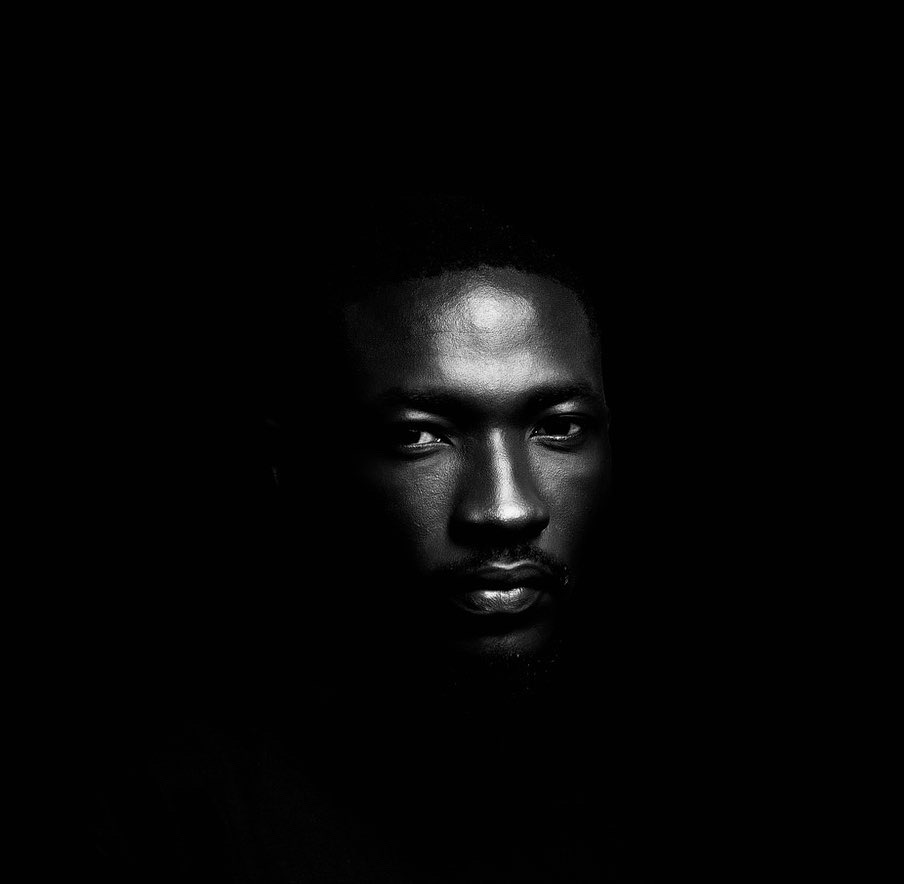
28 Jul 2023 - 12:01


The Mr Eazi-led ChopLife SoundSystem infuses a modern African flair into the Jamaican-born sound system culture, known for its mobile crews of DJs and MCs who curate vibrant parties.

In contrast to the Caribbean version, the pan-African group featuring UK-based Kenyan selector DJ Edu as resident turntablist, incorporates genres such as amapiano and Afrobeats.
The Nigerian singer and entrepreneur has revealed that the latest project aims to reincarnate the atmosphere of the parties he used to host during his university days.
“That’s how I started singing,” he said back in May ahead of the release Chop Life Vol. 1: Mzansi Chronicles, the group’s debut collection. As ChopLife’s primary vocalist and MC at live events, Mr Eazi is seeing the revival of this dream.
The project derives its name from the well-known West African Pidgin slang phrase ‘chop life’, which translates to “enjoy life.”
Mr Eazi attributes the genres that make up ChopLife SoundSystem’s repertoire to club sounds. “The ChopLife ecosystem and everything about chop life really started in the clubs, so it’s the sound of Lagos, the sound of Accra, the sound of Cape Town, the sound of African parties everywhere in the world,” he tells Music In Africa.
“It’s not every day you see a performer, producer or artist like myself being the master of ceremonies – the one carrying the party. Similar to what I did with Detty Rave, my festival in Accra, I’m tryna bring that level of production ultimately to the live experiences. So you almost forget where you are but the vibe stays the same, and the freedom of the large African raves stays the same.”
Mr Eazi and DJ Edu, being Afrobeats veterans, bring their own distinct perspectives to the offerings of ChopLife SoundSystem. DJ Edu’s expertise in African sounds allows him to provide a structured approach while drawing from a vast library of influences. On the other hand, Mr Eazi offers a sense of fluidity with his proficiency in performance, production and understanding of audio engineering.
Mr Eazi says the process of creating original music as a collective is pretty straightforward: “We go to the club, we hear songs we like, we Shazam them, we reach out to the artist, we reach out to producers. Everybody comes together in a room where we’re having fun. We record music and we start trying to mix them like we were at the party, and we select the songs that go well together, tell a story and mix well into each other. That’s it really.”
Both men believe that African pop music from various regions is gaining ground globally due to a “shared quality and infectiousness.” Within the framework of ChopLife, the duo aims to strike a harmonious balance between structure and freedom by bringing together diverse musical and cultural elements.
“I mean, I think it’s already there,” Mr Eazi says about how he envisions ChopLife SoundSystem contributing to the celebration and preservation of African pop. He says the group has adopted a unique and authentic approach with a core focus on genuine collaboration. As tastemakers, they aim to be at the intersection where African music culture converges, and Mr Eazi believes that by maintaining this position, ChopLife would also be fulfilling its role in safeguarding and promoting sounds and cultures from the continent.
Next, I ask how the group navigates the balance between modern elements and staying true to traditional sound system culture.
“You must first understand that the African population is the youngest population in the world and if there is one thing that’s common with young people it is change,” Mr Eazi says. “If there’s one thing that is key in African music, it is evolution. The sound evolves, the sound of last year is not the sound this year. It keeps changing, so we are gonna embrace change and it’s gonna evolve the way we tour, the way we make the music, the way we present it. Everything is gonna keep changing, and we’re gonna be open to it in the most original way. The change is driven by qualities, driven by creating better experiences.”
Chop Life Vol. 1 originated from Mr Eazi’s trips to South Africa, where he immersed himself in genres like amapiano, gqom, and bacardi, which he had never heard outside of the country. This was the catalyst for the album’s creation, which involved collaboration with various local artists, songwriters and producers.
Mr Eazi also reveals that a successor album is due next year. He emphasises that while the creative process allows for freedom, the fundamental essence of the music will always remain deeply rooted in Africa.
When I ask where he sees Chop Life Vol. 1 in the African pop conversation, Mr Eazi admits that he hasn’t given it much thought. His primary focus is on creating a fun and enjoyable experience through the album, rather than considering its specific place within the broader African pop landscape.
“When I think of Chop Life Vol. 1, I just see it in the clubs. I see it in the gym. There’s no real intention behind that album to change anything or cause any movement. The intention behind it is to have fun.”


Most popular

Call For Applications : ACCES seeks a UK-based performer
10 Sep 2026

Top amapiano songs of 2026
16 Feb 2026

Top Afrobeats songs of 2026
19 Mar 2026

Open call: Ernst von Siemens Music Foundation 2026 funding programmes
04 Sep 2026
Open call: FAME Week Africa, Pressure Cooker Studios songwriting camp
09 Sep 2026
Open call: Goethe-Institut grants for Southern African creatives
08 Sep 2026

Open call: SAMRO Music Creation Support Fund
02 Sep 2026
Disclaimer: Music In Africa provides a platform for musicians and contributors to embed music and videos solely for promotional purposes. If any track or video embedded on this platform violates any copyrights please inform us immediately and we will take it down. Please read our Terms of Use for more.

Subscribe to our monthly Newsletter
Follow us on social media


Please log in to post a comment.