
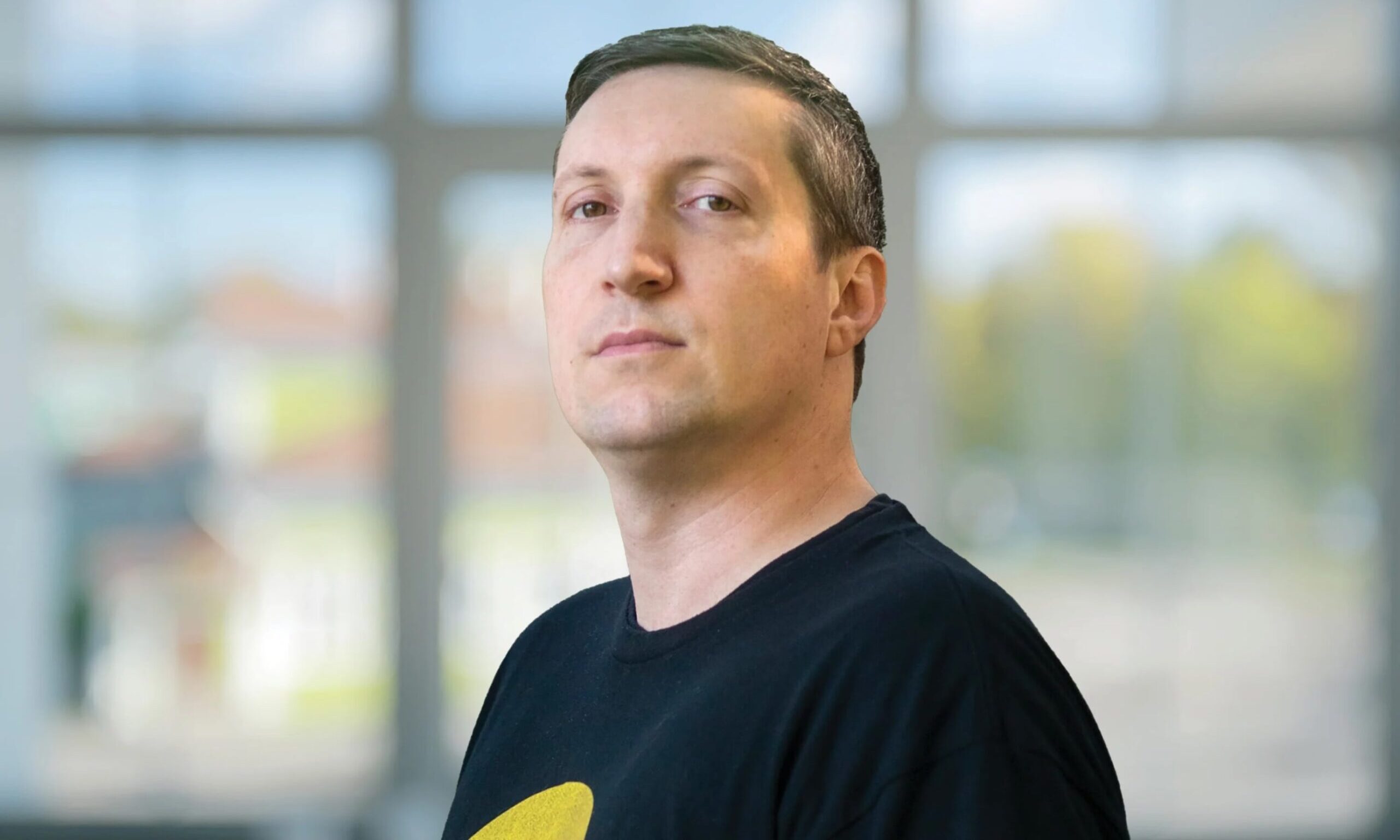
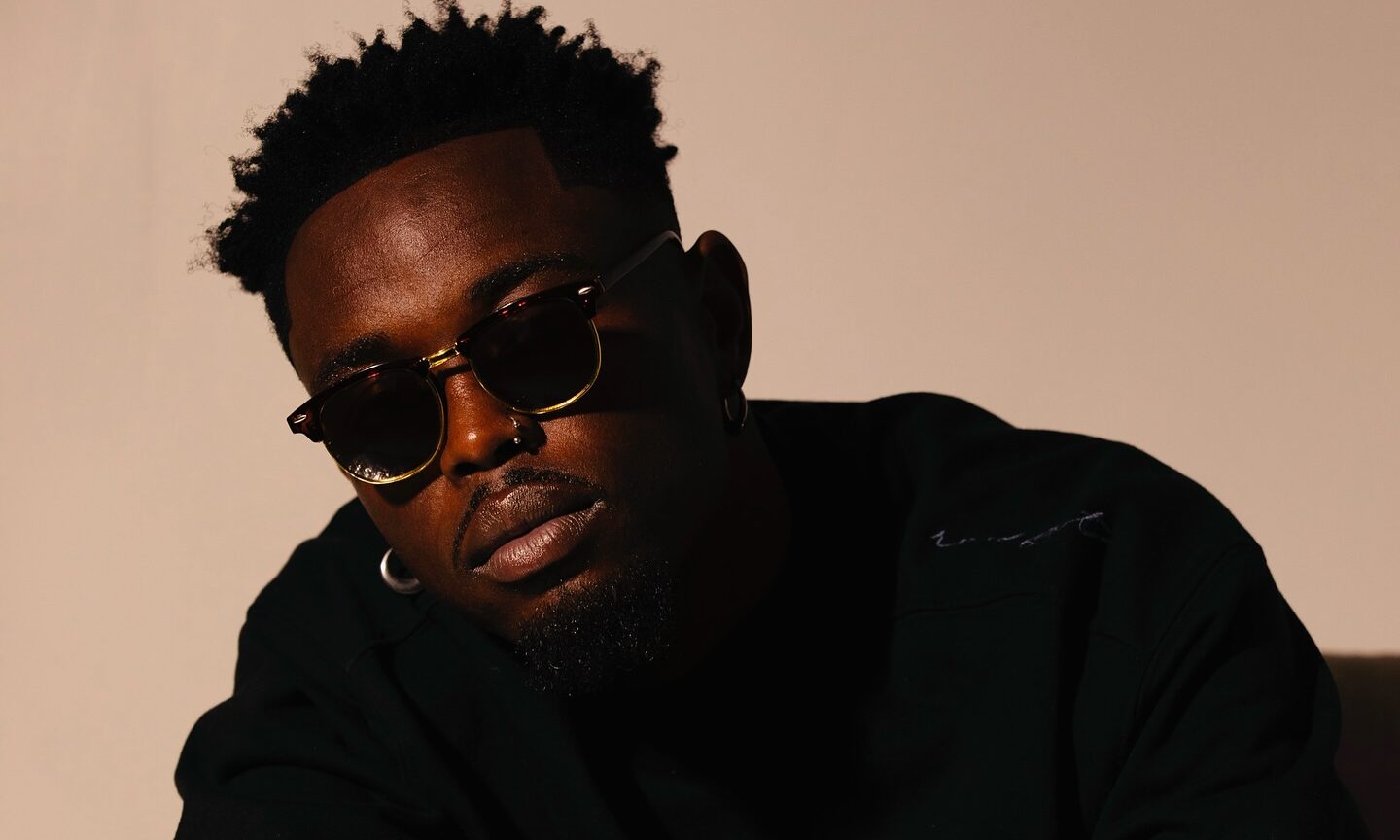

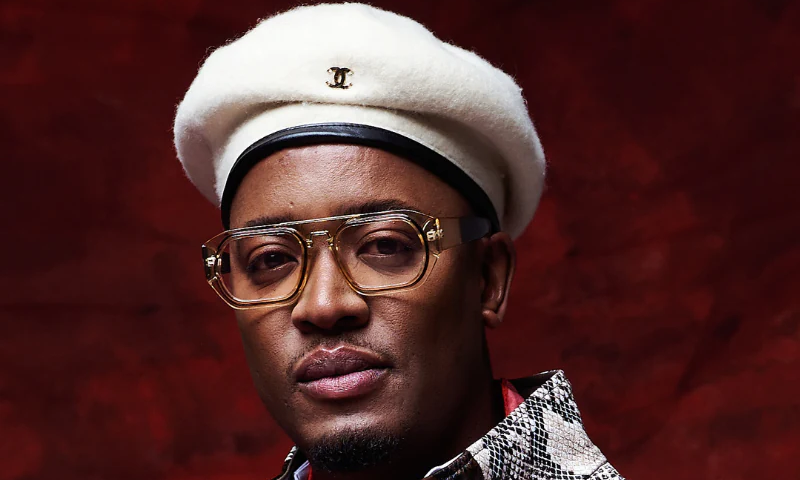
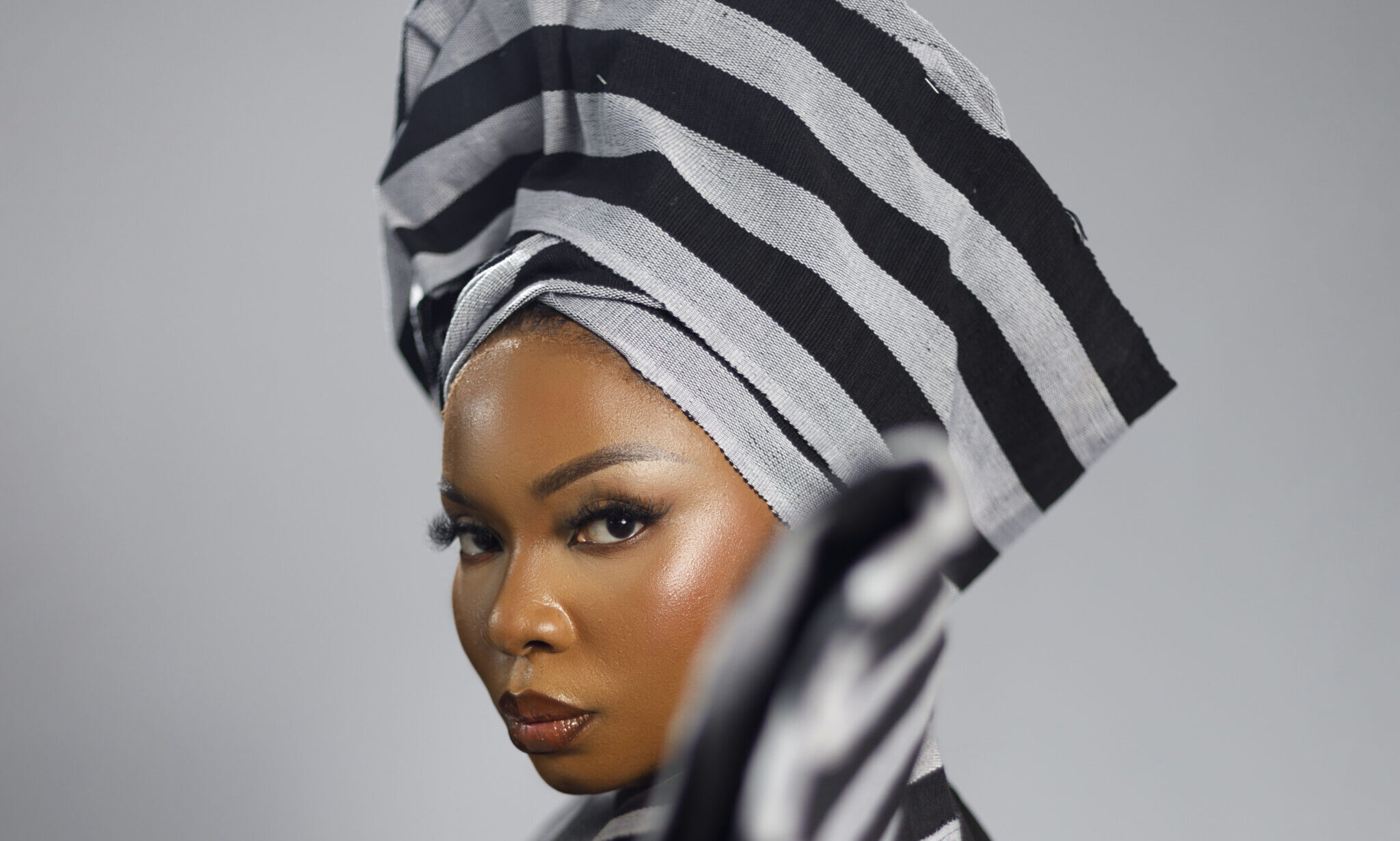
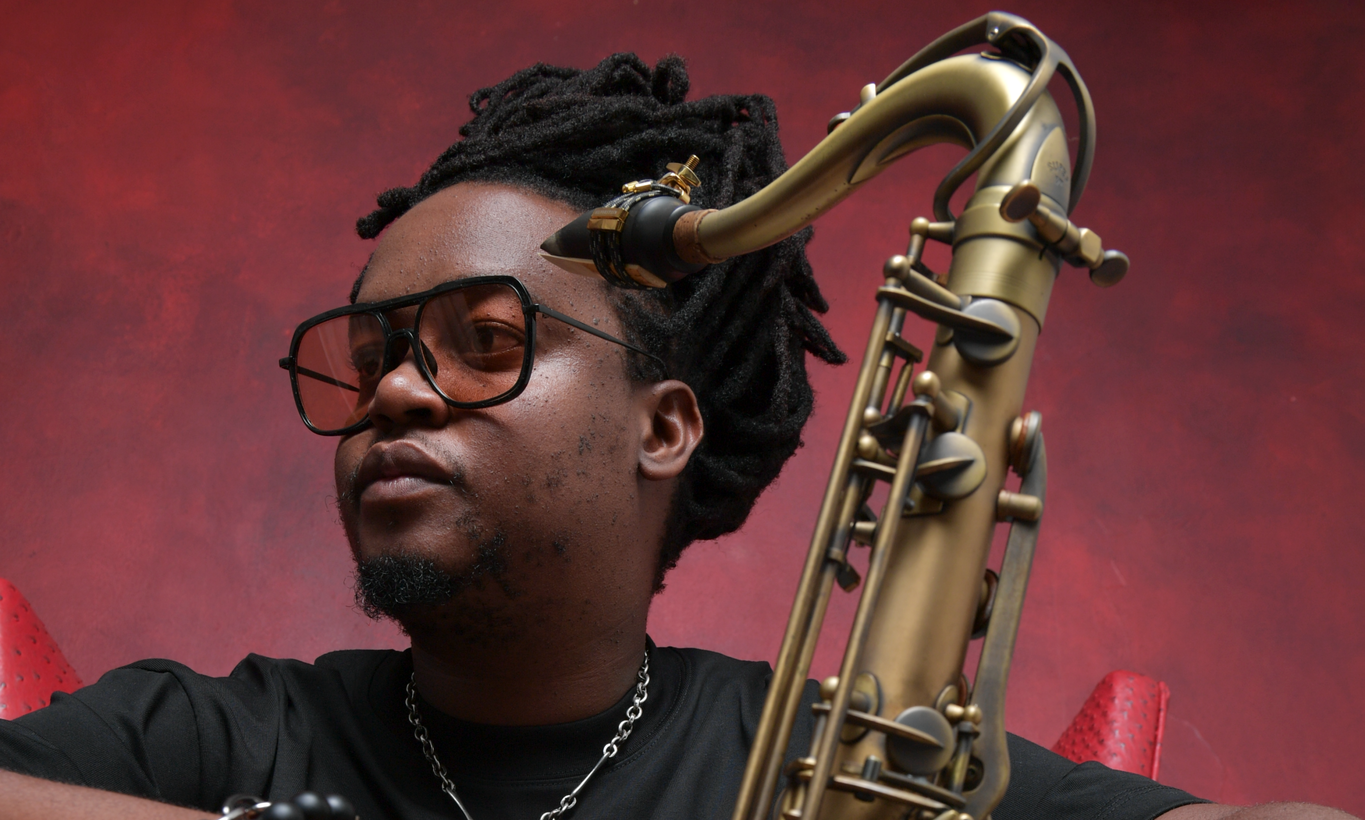
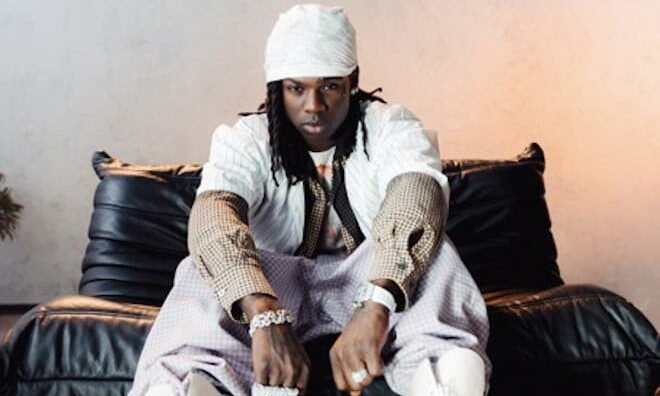
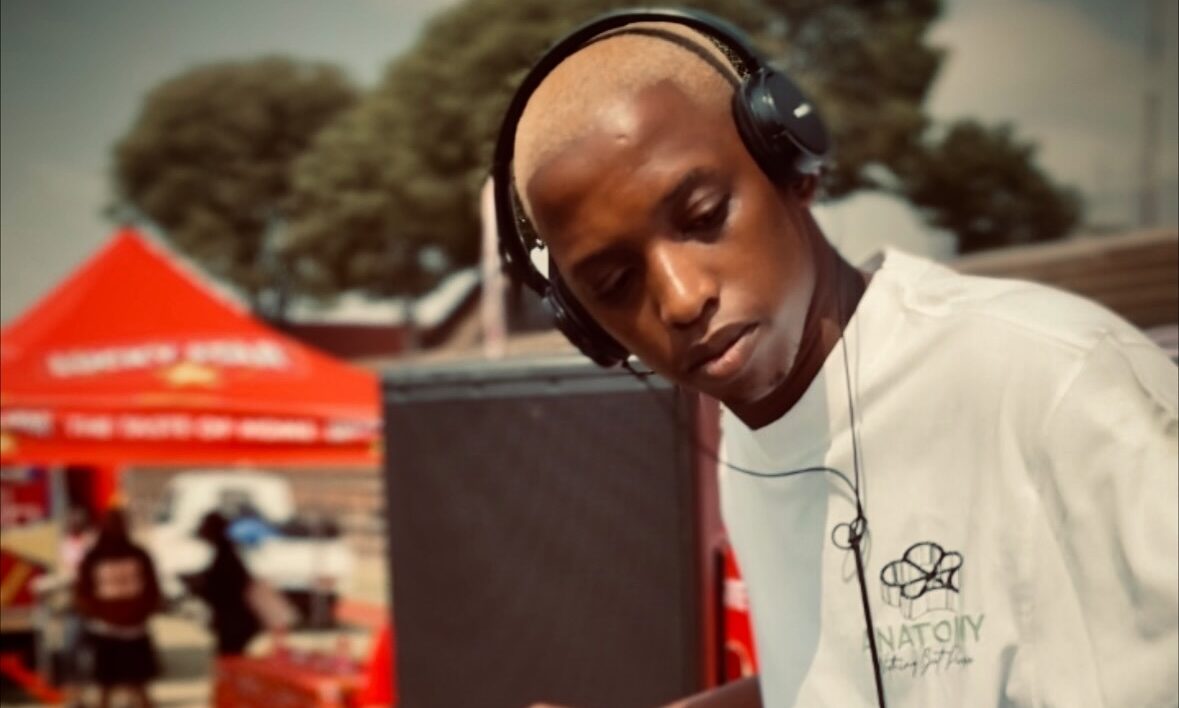

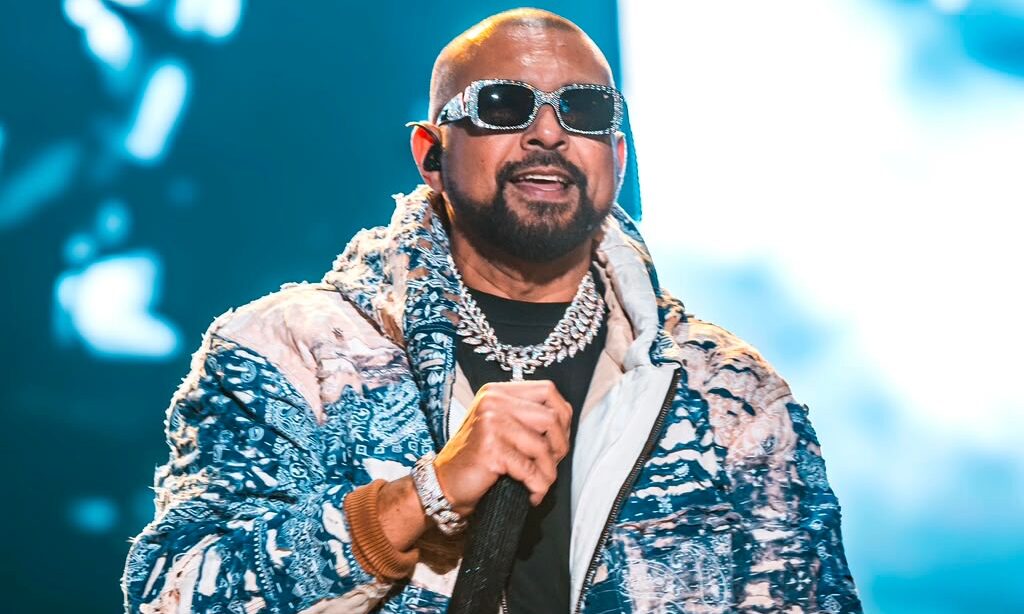





















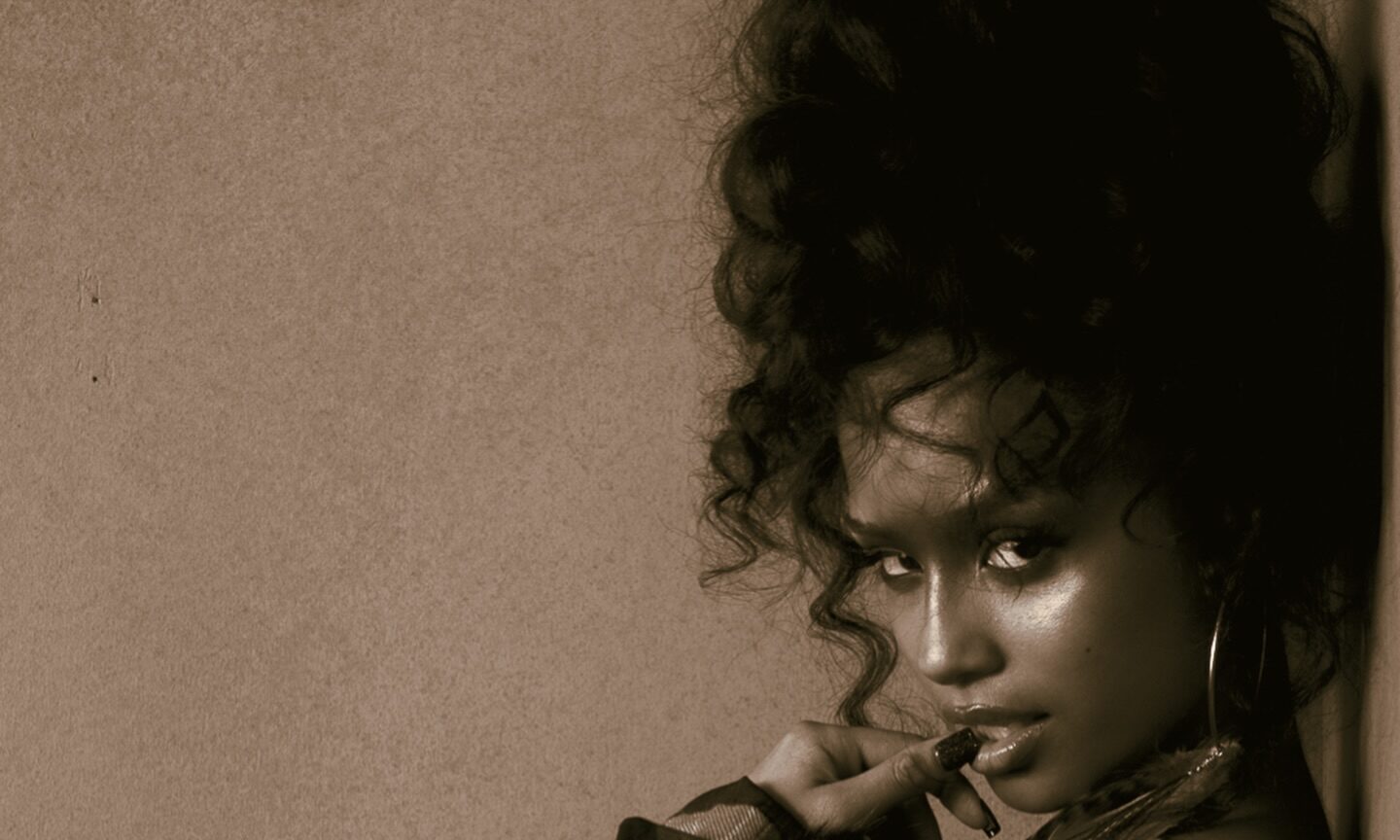


























Ghanaian act Kirani Ayat works in his country's off-mainstream music scene.

His genre-bending style fuses Afro-trap, Afropop and Afro-house with an energetic performance style and a visual aesthetic, he says, is inspired by Rex Omar and Fela Kuti.
Although an independent artist, Ayat has worked with such artists as Sarkodie, Manifest, E.L, Edem, Medikal and Suli Breaks. He has also had songs produced by well-known producers KaySo, Nova, Kuvie and Nana Kwabena. His debut project The Zamani EP was released in 2017.
He recently spoke to Music In Africa about his work, language and plans for the future.
MUSIC IN AFRICA: Why the decision to sing frequently in Hausa?
KIRANI AYAT: Representation is very important and there aren’t many Hausa representatives in Ghana, so it was important I tell our story and share our culture to the world. Personally, I found confidence in my own native tongue since switching. I now tell familiar stories, my lyrics are relatable and my overall stagecraft and appearance have improved.
Have you been tempted to switch to English?
I started out in English before I found my true voice. Before the switch, I was rapping and singing about things I had not necessarily experienced.
You don’t feature too many female acts. What do you think about how the music industry treats women?
I’ve had the opportunity to feature Ria Boss and recently Efya, but yes I believe there aren’t many female artists out there and I think there should be more opportunities for our women to tell their stories and share their work equally. I think it’s the right thing for male artists to do, to offer and create opportunities for deserving female artists to also win and share their stories and art.
What do you think of the Musicians Union of Ghana (MUSIGA) and its work in protecting copyrights and collecting royalties?
I’m a part of MUSIGA and would say it’s a work in progress. They are currently not operating at full capacity. A lot of education needs to be done, most musicians don’t know their rights, some don’t know about royalties and copyrights etc. so educating the artists is key.
Then functioning collection bodies need to enforce making sure royalties work and artists are getting their fair share. MUSIGA and other bodies need to push for this to be enforced.
You have found a following on SoundCloud. Are there any mainstream radio plans for you and what happens next in your career?
Yes, SoundCloud has always been an easy way to share my music. I have radio plans although my sound is a niche in this climate. It has its fans and what’s next is just to push and expose more listeners to my work and collaborate.
My debut album comes next year. It is gonna be a very different album with different genres but very appealing nonetheless. We always bring the best so fans should expect just that, and dope collaborations.


Most popular

Call For Applications : ACCES seeks a UK-based performer
10 Sep 2026

Top amapiano songs of 2026
16 Feb 2026

Top Afrobeats songs of 2026
19 Mar 2026
Open call: Goethe-Institut grants for Southern African creatives
08 Sep 2026

AFRIMA 2026: All the winners
12 Jan 2026
Open call: Ernst von Siemens Music Foundation 2026 funding programmes
04 Sep 2026
Open call: FAME Week Africa, Pressure Cooker Studios songwriting camp
09 Sep 2026
Disclaimer: Music In Africa provides a platform for musicians and contributors to embed music and videos solely for promotional purposes. If any track or video embedded on this platform violates any copyrights please inform us immediately and we will take it down. Please read our Terms of Use for more.

Subscribe to our monthly Newsletter
Follow us on social media


Please log in to post a comment.