





















































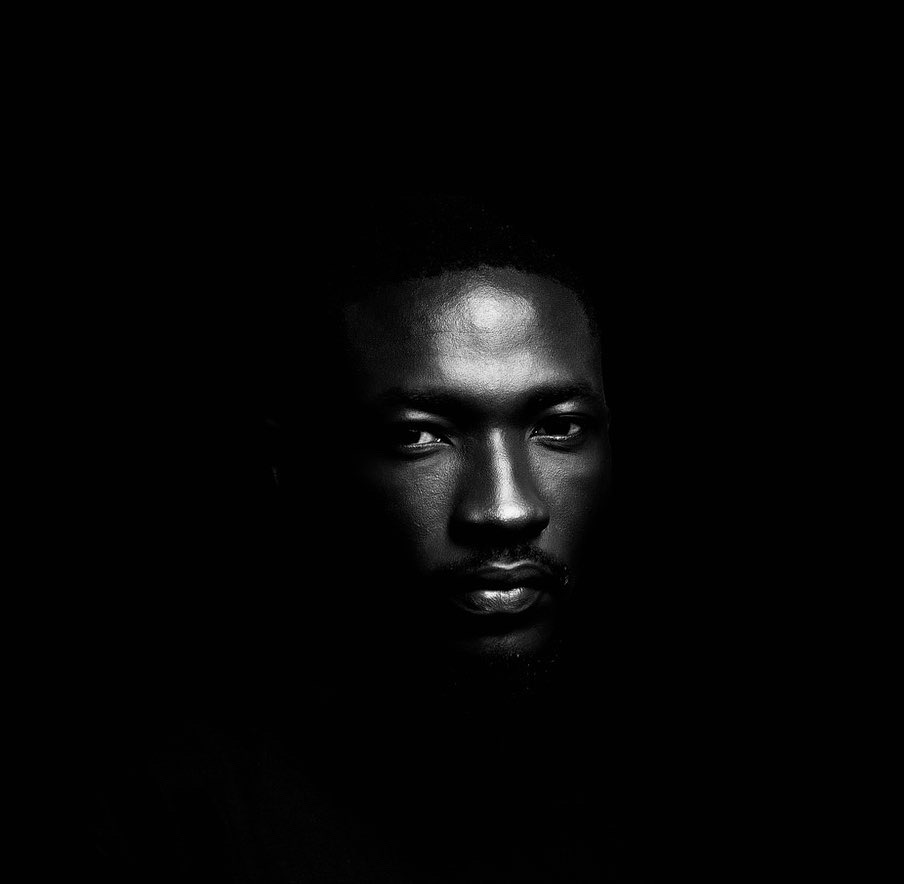


My December chat with a cheerful Kingsley Okorie, one-half of award-winning Nigerian highlife duo The Cavemen, begins with a confession that I discovered their music much later than I would have preferred or am willing to admit, all the while hearing his voice but unable to see his face during this call.
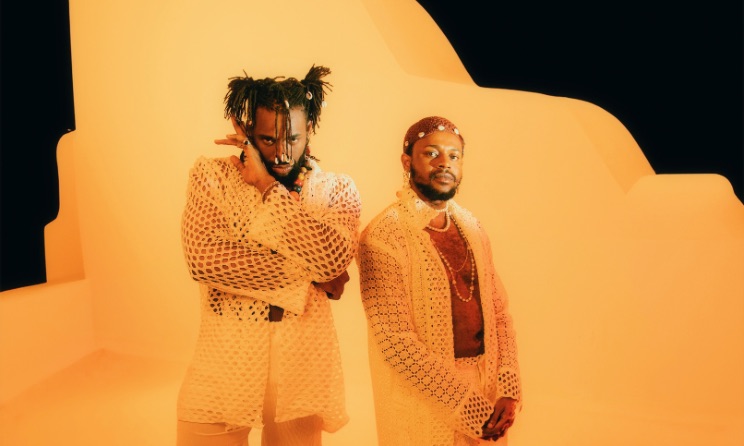
Fortunately, by this time (late 2021), there were two albums I could delve into – their brilliant 2020 debut, Roots, and 2021’s Love and Highlife. The projects offered me a broad platform for a deeper exploration of the duo’s unapologetic homage to indigenous West African sounds, with Kingsley on bass and his brother, lead vocalist Benjamin, on drums.
“I wonder if it’s something you hear all the time,” I ask.
“It’s a mix, man,” Kingsley laughs. “There are people who have followed us from the jump, you know, and there are people who are still catching on. I feel like that’s the purpose of music, you know... to be everlasting or evergreen in some way. And for me, the fact that you caught on when you did makes me feel younger. I feel new to you and that’s cool.”
When I chip in that Roots is my favourite Cavemen album, Kingsley chuckles again, and notes that it reflects a specific period in the artist’s journey. Today, I may favour Roots as the album that positions the Cavemen within culture, but preferences may shift with time, and its predecessor could someday claim that spot.
Rather than move on to my next question, I proceed to list the songs on the album to deepen my point: ‘Welcome to the Cave’, ‘Akaraka’, ‘Bolo Bolo’, ‘Bena’, ‘Anita’…
These days, with many albums struggling to sustain full engagement, I often find myself skipping through numerous tracks. A Cavemen album is among a few exceptions. And so, I keep going: ‘Ifeoma Odoo, ‘Crazy Lover’, Me You I’, ‘Beautiful Rain’...
By ‘Home Song’, Kingsley feels compelled to step in. “I get what you’re trying to say. That’s beautiful, man. I’m grateful for that. And that’s because we put our all into it every time.”
Finally, we shift focus to something else: their unique style, characterised by earnest falsetto and an emphasis on folk chants and traditional instruments. I ask if these elements are intentional or happy accidents. “It’s both, you know,” he says. “You find a sound that resonates with you and build a world around it. When you feel like you need something, you keep going. Because we’ve listened to a lot of music, we’ve experienced a lot. But, you know, we tend to always just experiment more than even being purposeful, you know.”
I find it intriguing that he opts for the term “experiment”, because highlife, being traditional, is not typically considered that.
“Highlife is Africa’s first experiment because it was influenced by colonialism,’ he asserts. “What we’re doing is furthering that experiment and showing the world our perspective.”
Kingsley likens highlife to water; unstoppable and ever-changing, and acknowledges The Cavemen’s current status as a sort of nexus, both for generations and genres. “I feel blessed because that’s what we’ve always wanted to be. We needed musicians to be relatable and sellable, and I’m grateful to be in that centre.”
We touch on the authenticity of the Cavemen sound, a process Kingsley stresses is founded on patience, determination and an unwavering commitment to avoiding compromise. He even shares a moment, during a road trip, where the absence of highlife on the radio ignited their passion to make the genre more accessible. This was in early 2018. “That’s where it came from: ‘How can we make highlife relatable? How can we make highlife therapeutic? How can we make highlife cool? How can we make a highlife classic?’ These were the problems that we are still trying to solve.”
Even if highlife seemingly plays second fiddle to Afrobeats these days, we can hardly refer to The Caveman as ‘alternative’ anymore. This is due to how impactful their albums have become, and how much critical acclaim they have accrued for their ingenuity, positioning them as a singular force. Having started with the release of their project Roots, they’ve maintained a unique position, not conforming to the rules of pop. This has drawn admiration from all corners of the industry. Today, they boast collaborations with prominent popstar artists such as Kizz Daniel, Aṣa, Wizkid and Davido. Later in our chat, he would regale me with compelling stories about how some of these collaborations happened.
We turn our attention to live performances, a distinctive aspect often associated with highlife. For many music lovers, the relationship with The Cavemen begins with a song or an album and ends with a live experience. Indeed, The Cavemen’s live show snippets have propelled them to viral success on social media on many occasions. I inquire whether Kingsley perceives a purpose in their performances, specifically in showcasing the essence of a live band.
For him, it goes beyond proving a point – live shows are a form of defence. “We’ve always aimed to bridge the gap between recorded and live music. We want our audience to not only hear our album but also experience a different, yet equally high-quality version live. It’s akin to defending a thesis in university – an artist defending their project. Live performances allow the audience to immerse themselves in the artist’s perspective.
“My brother plays the drums and I play the bass. I don’t feel complete without it and my brother too doesn’t feel complete without the drums. And we also promote the excellence of African music or highlife. That high can be excellent when you see it in person.”
I find the themes of highlife to be quite fascinating. On ‘Anita’, an uptempo dance floor offering, you hear lines like “Pay me my salary, I want to marry”... simple and pedestrian at first, but also serving as a gateway to deeper layers of meaning.
“I mean that’s the whole point,” Kingsley explains. “Highlife is a perfect way to be a musician and an observer and not have a problem with life. Every African relates to this because it’s like the soul of Africa, which I feel is the centre of the world.”
Fans around the world treat the Cavemen as the go-to for a sort of reliable music – what Kingsley would call “premium highlife.” I asked if this perception as the custodians of first-rate highlife weighs on them, and his response reflected a sense of fulfilment and honour. According to him, being considered flagbearers of the culture feels like solving a world problem.
Highlife, as a genre, seems deeply obsessed with love, and Kingsley believes it’s because love is inherent to life. He sees highlife as an extremely social ticket, touching on various aspects of life where love plays a crucial role.
One striking aspect of The Cavemen’s audience is its diverse age range. The music that draws inspiration from a genre invented centuries ago resonates not just with older generations but also with millennials and Gen Z. Kingsley attributes this broad appeal to a generation seeking answers and finding a clue in The Cavemen’s music.
“There’s a demographic of people who are seeking something. We’re in a world flooded with mysteries, complexities, and political issues. I feel like there’s a generation of people who truly need an answer, and I sense they’ve been given a clue. Do you get what I’m saying? That’s why it’s so encompassing. Regardless of age, everyone needs the clue. If you’re seeking answers and you come across these guys who have put something together to say, ‘Hey, there might be something here’. That’s why it’s so open to everybody.”
It is at this point that Kingsley shares stories of remarkable collaborations, like working with Aṣa, a childhood idol. Back in their secondary school days, when Aṣa’s debut album was released, they pooled their money to purchase it, listened to it until the CD wore out, and even crafted a replacement CD. To go from that to featuring on Aṣa’s fifth LP and Afrobeats excursion V is a full circle moment, he says.
He also expressed the surreal experience of working with Davido, where even mishaps like picking up the wrong bag on a flight couldn’t dampen the excitement. That day, returning from Amsterdam to their London apartment, Kingsley accidentally took someone else’s bag from the plane. Amid this, a call from his cousin revealed an unexpected collaboration offer from Davido. Meeting Davido felt surreal, momentarily eclipsing the bag incident. They recorded vocals the next day, and the collaboration remained discreet. To their surprise, The Cavemen found themselves featured on the tracklist of Davido’s latest album Timeless, including an emotional revelation of Angelique Kidjo as the track’s other guest.
Backing Wizkid on tour last year at Tottenham Stadium in front of 50 000 attendees was also a historic moment, something Kingsley describes as a privilege and a source of inspiration, believing it showcased the potential of highlife to be more than what people expect. “My brother directed the music and it took us just a few days to figure everything out, and everything came together and it was such a success. It was so nice to see how African music has come.”
In 2023, the band also graced prominent festivals across Europe and Africa such as Montreux Jazz, Love Supreme and Lowlands. They headlined a sold-out show at London’s Koko Camden, drawing a crowd of 1 300 fans. The band also shared the stage with Davido at his Timeless concert in Lagos, Nigeria, with the Afrobeats star reciprocating the gesture with a surprise appearance during the band’s set at London’s Palm Wine Festival.
“Every time we play in front of a different crowd, it’s very beautiful to see how people who even don’t know our songs react to them... how everybody’s face brightens up immediately you get there. It’s all very beautiful, even just looking around at great locations, venues, sounds – beautiful,” says Kingsley about touring.
The Cavemen will be releasing new music and touring globally in 2024.


Most popular

Top amapiano songs of 2026
16 Feb 2026

Top Naija songs of 2026
31 Mar 2026

Top Afrobeats songs of 2026
19 Mar 2026
AFRIMA 2026: All the winners
12 Jan 2026

Open call: MTN One TV African film and television projects
16 Sep 2026

Open call: Goethe-Institut grants for Southern African creatives
08 Sep 2026
Disclaimer: Music In Africa provides a platform for musicians and contributors to embed music and videos solely for promotional purposes. If any track or video embedded on this platform violates any copyrights please inform us immediately and we will take it down. Please read our Terms of Use for more.

Subscribe to our monthly Newsletter
Follow us on social media


Please log in to post a comment.