





















































Although there are many musicians in the Southern African kingdom of Swaziland, most are not able to have proper professional recordings because the country lacks professional recording studios and skilled producers. Most musicians therefore prepare for live performances without recorded material. Sometimes this works as an advantage: without the use of backing recordings, they have to work extra hard to perfect their live music shows. This text provides an overview of Swaziland’s live music scene.

Venues
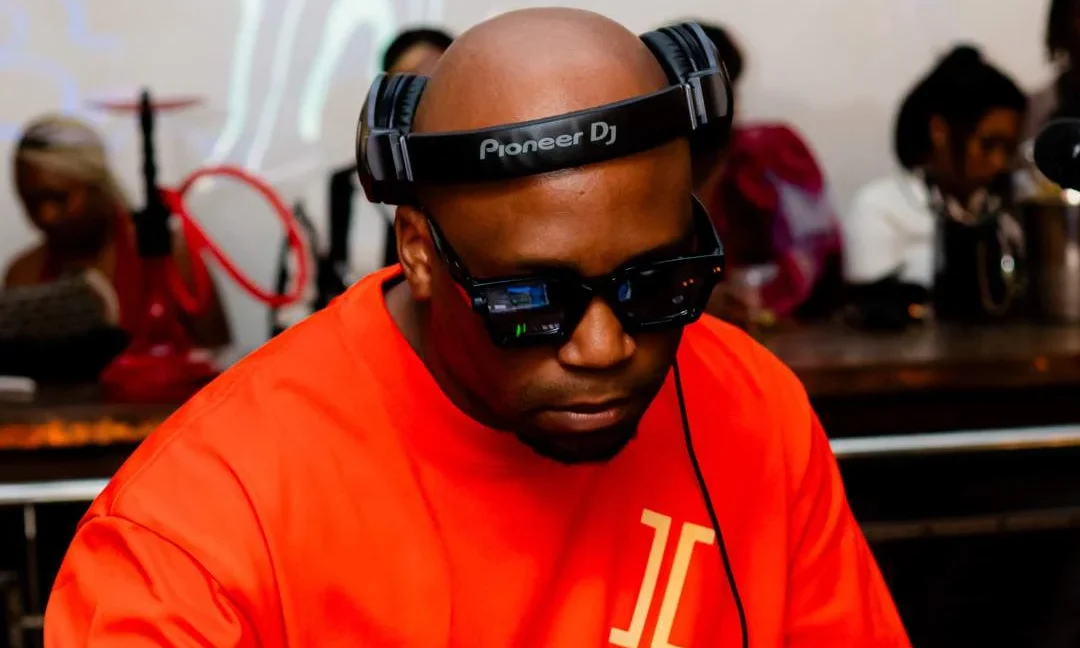
The most active and popular venues in Swaziland are found around big towns and along the Manzini-Mbabane corridor. Located in Malkerns Valley, House On Fire is probably the country’s best-known live music venue that is known for hosting the annual MTN Bushfire festival. It is every artist's dream in Swaziland to stage a performance on the MTN Bushfire main stage, which is so far the country’s biggest platform to stage live music performances. Artists who have recently performed on that stage include Swaziland’s ‘first lady of reggae’ Pachanga and other notable local artists such as Bholoja, Siyinqaba, Nomsa M, DJ Mbo, Fanaza, Nomzamo and others.
The House On Fire amphitheatre stage is used for regular weekend events such as Sibebe Friday Night Live. Many local and international acts have graced this stage, which is open throughout the year. Rapper King Terry, the runner-up of the Sibebe Night Live Battle Of Bands competition, got a chance to perform during the 2016 Bushfire festival, where he shared the stage with international star Cold Specks from Canada.
In Matsapha, Esibayeni Lodge’s Ronde Vu outdoor stage hosts live performers every Sunday afternoon, usually for free. People come to relax and enjoy live music. Also at Esibayeni Lodge there is the Déjà vu Cocktail Lounge, which hosted the first edition of the Elite Season hip-hop festival and a concert by popular performer Tiyas King in early 2016. Upcoming gospel sensation Nothando Hlophe recorded a live show at the lodge for her debut album Impilo Yam.
In Manzini’s Ngwane Park, there is The Vibe. It’s owned by Itallo, a popular local jazz artist. The Vibe has both a live stage and a rehearsal room. Afro-jazz and soul musicians use The Vibe for jam sessions. The venue is popular for its Sunday sessions, when people come to chill out and enjoy good music. The rehearsal hall is used by local artists and is available for bookings. In mid-2016 it hosted a jam session featuring the likes of Lee Bombo, Pachanga, Juda Selisthena, Vanlz, Mcwayizeni Ntshangase and the host, Itallo.
In Manzini town, there is the Mavuso Trade Centre, a popular venue renowned for hosting the annual Swaziland International Trade Fair (SITF). This is one of the biggest venues in the kingdom, with several halls and a pub for indoor events. For outdoor events promoters use the centre’s sports fields. The Mavuso Trade Centre hosted the National Arts and Culture Awards (formerly known as the Tihlabani Awards) in 2010, as well as the Storm Festival and plenty of other live music events, such as the end-of-year show by Ndumiso Simelane of Izinceku Zamagawugawu, one of the biggest-selling acts in the kingdom. The venue’s annual ‘gospel crossover’ show features local and international gospel acts, attracting an audience of between 7000 and 10 000 people.
For the trendier audience there is Solanis Shisanyama in the township Msunduza in Mbabane, as well as the White House in Manzini. These venues stage shows every weekend, hosting both local and international acts.
Events and festivals
Swaziland unfortunately doesn’t offer many regular music platforms, besides occasional live shows and festivals. The country has witnessed a fall in the number of live music events since the late 1990s. The Swaziland International Trade Fair Show (SITF) is arguably less popular than it once was, while the Simunye Fun Fair was last staged back in 2013.
The biggest annual event in the nation is the internationally acclaimed MTN Bushfire music and arts festival, which in 2016 celebrated its 10th anniversary.
In the run-up to Bushfire each year, there is a series of live shows powered by the Sibebe Premium Lager, dubbed Sibebe Friday Night Live. The monthly series provides a platform for Swazi musicians to battle each other in a Battle of the Bands contest, with the overall winner earning a place on the Bushfire stage as well as a cash prize.
The annual Francophonie Festival is hosted by the local Alliance Française. This week-long festival sees people enjoying a variety of entertainment, including music, art, local craft and food, a kids' zone and a skate park.
Also powered by the Alliance Française is the regular Arts Awake event which was founded by poets Musa Ndzinisa and Beko 'The Storyteller' Dlamini. Established for artists by artists, it provides a platform for both established and upcoming Swazi poets and musicians. Arts Awake shows are held monthly at the Mbabane Theatre Club.
The popular Hipnotik Festival caters primarily to hip-hop fans and musicians. The festival is hosted by Swazi Jive, a local entertainment stable run by Sakhile Nkambule. In 2016 the festival added rap, dance and beat ‘battles’ where participants could win cash prizes.
There is also the Fish Party, a two-day family-friendly festival hosted by KAD Concepts in summer at Lubovane Dam in Siphofaneni.
Promotion
Through media channels such as SBIS Radio, Swazi TV and Channel S, Swazi musicians are able to promote their live shows. Regular gig guides include Swazi TV’s weekly ‘This Weekend Eswatini’. Musicians also use the print media, particularly the Times of Swaziland and the Swazi Observer.
To sell tickets for shows, many Swazi promoters and musicians use Computicket, while others collaborate with local shops, restaurants or music stores. If one drives along the main road in Swaziland, one usually sees printed flyers and billboards which advertise upcoming live shows.
Judging by the high standard of live shows already witnessed in 2016, Swaziland’s live music scene appears to be growing and improving after several years of decline. Despite a limited amount of events and venues, live music still plays an important role in the lives of many people in Swaziland.


Most popular

Call for applications: ACCES 2026 Emerging Artist Spotlight Competition
01 Oct 2026

Top amapiano songs of 2026
16 Feb 2026

Top Naija songs of 2026
31 Mar 2026

Top Afrobeats songs of 2026
19 Mar 2026
Open call: 2026 Gender@Work music industry training in Johannesburg
03 Oct 2026
AFRIMA 2026: All the winners
12 Jan 2026
Disclaimer: Music In Africa provides a platform for musicians and contributors to embed music and videos solely for promotional purposes. If any track or video embedded on this platform violates any copyrights please inform us immediately and we will take it down. Please read our Terms of Use for more.

Subscribe to our monthly Newsletter
Follow us on social media


Please log in to post a comment.